

Tiny chips define the strength of armies, the flow of trade, and the future of technology. They power your phone, guide missiles, and fuel artificial intelligence. At the center of this race is Taiwan, a small island with an outsized role in the competition between the United States and China.
- The basics: what chips are and how they power modern technology
- The stakes: economic impact, national security, and supply chain risks
- The rivalry: how the US and China compete for control
- Taiwan: why the island is called the world’s “silicon shield”
- The culture: conspiracy theories around chips
What Are Chips and Semiconductors
Chips are tiny pieces of technology that act like the brains of modern devices. They are built on semiconductors, usually silicon, that can control the flow of electricity. This is why people often use the words chips and semiconductors to mean the same thing. Your smartphone, laptop, car, and even household appliances rely on them. Advanced chips also drive artificial intelligence, 5G networks, and military systems. Without them, the digital economy would not exist. They are often compared to the oil of the digital age because so much depends on them.
“Smaller than a fingernail, they are built on semiconductors that run the modern world.” — Stijn McAdam
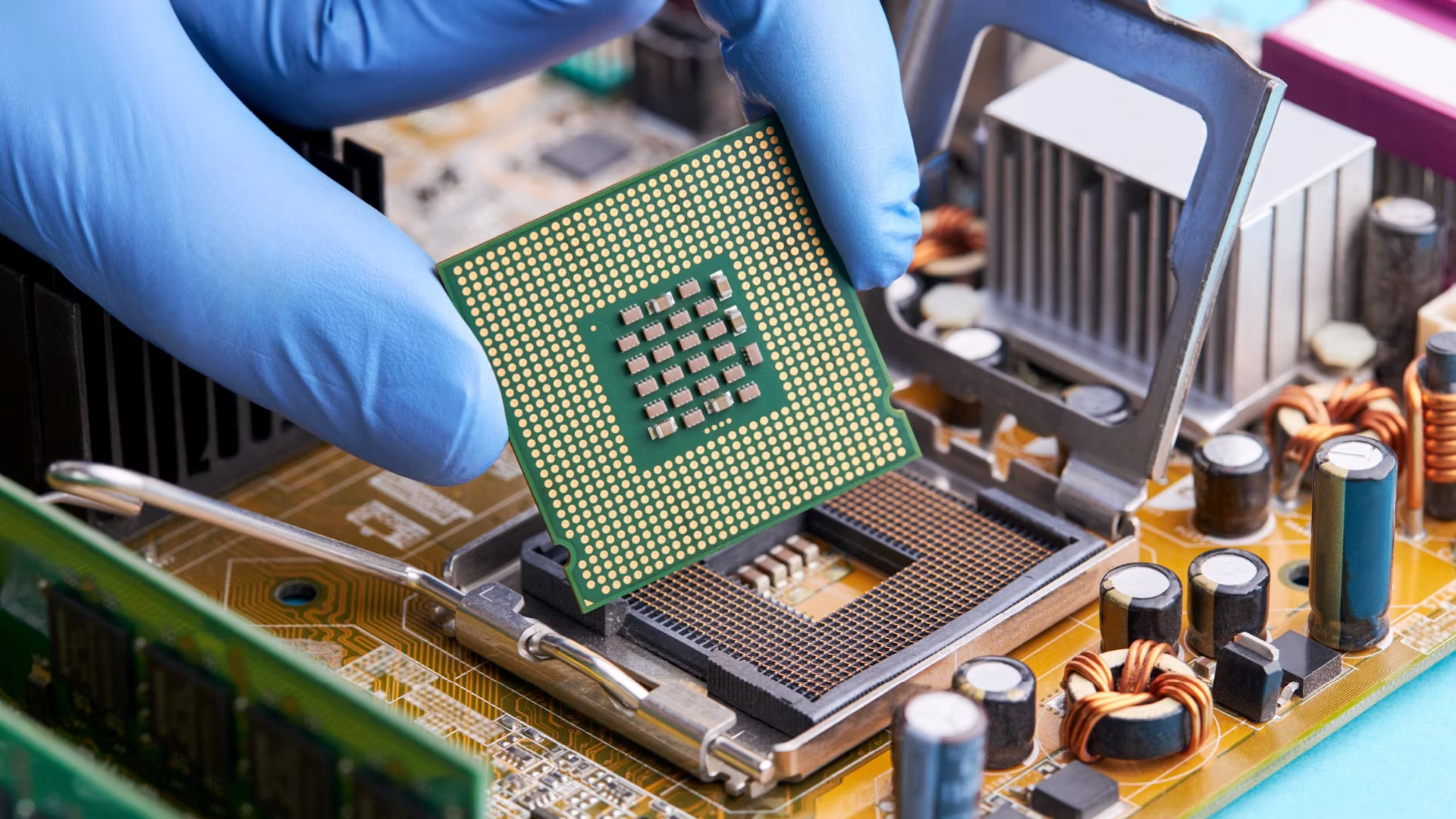
Semiconductor processor being installed onto a motherboard
The Stakes of Chips
Chips are everywhere. A modern car can use hundreds of them for navigation, safety, and entertainment. Hospitals depend on them for scanning equipment and life support systems. In 2024 the global semiconductor market was valued at about 630 billion dollars, showing how central these chips are to the world economy.
A shortage in 2021 forced companies to delay millions of vehicles, proving how fragile the supply chain can be. Beyond economics, chips are also a matter of national security. They enable advanced weapons, cyber defense, and the artificial intelligence systems now seen as a new arms race. As Marc Andreessen warns, “It is shaping up to be the equivalent of what the Cold War was against the Soviet Union.”
The US–China Rivalry
The United States dominates in chip design through companies like NVIDIA and Intel, while China is racing to build its own capacity. In 2022 President Biden signed the CHIPS Act, offering over 50 billion dollars in subsidies to bring more production home. By 2025 Donald Trump proposed scrapping subsidies for tariffs, even striking a deal that forces NVIDIA and AMD to pay 15% of China chip sales to Washington in exchange for export licenses.
Beijing has answered with export restrictions on key materials and heavy backing for its chipmaker SMIC. At stake is more than profit. Control of chips shapes who leads in AI, cyber power, and advanced military systems. This contest mirrors the wider struggle over global systems, as explored in our analysis of multipolar payments.
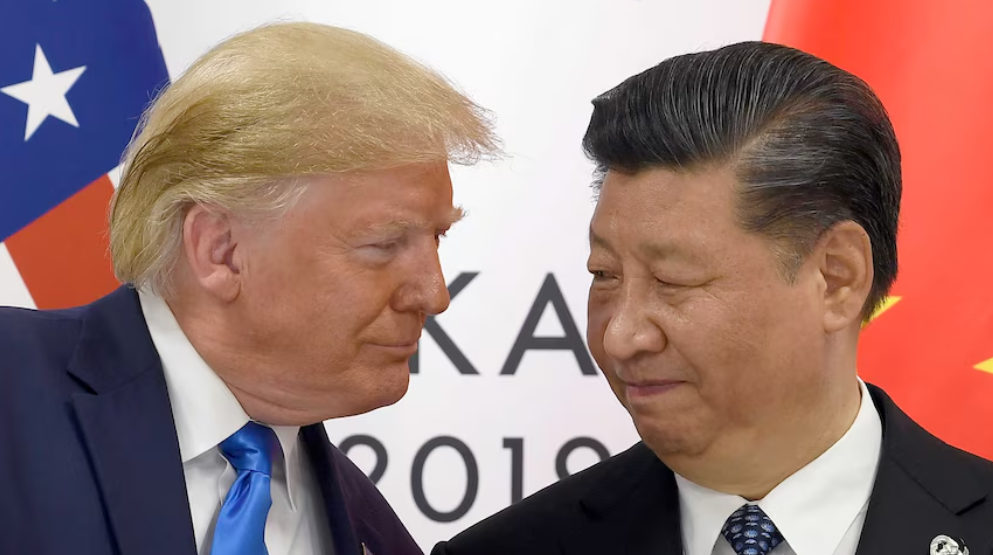
U.S. President Donald Trump & Chinese President Xi Jinping
Taiwan’s Role
Taiwan produces about 60% of the world’s semiconductors and more than 90% of the most advanced chips. Taiwan Semiconductor Manufacturing Company (TSMC) is the global leader. This dominance is often described as Taiwan’s “silicon shield.” Any disruption to production would have immediate global consequences, affecting everything from AI and defense systems to cars and consumer electronics.
The United States depends heavily on Taiwanese chips, while China views Taiwan as part of its territory. Military drills near the island and efforts by Washington and allies to diversify semiconductor production highlight how economic dependence and geopolitical tension overlap. This makes Taiwan one of the most sensitive pressure points in global trade. For a deeper breakdown, see our article on Taiwan as a Geopolitical Chokepoint.
Conspiracy Culture
Chips have inspired numerous myths and speculation. Some online commentators link them to hidden technologies such as “orbs” or zero-point energy devices. We published a deep dive on the energy debate titled The Pyramid That Shouldn’t Exist.
Another persistent theory involves the disappearance of Malaysia Airlines Flight MH370: the aircraft included 20 engineers from Freescale Semiconductor who were en route to Beijing. The coincidence fueled speculation that advanced semiconductor knowledge or intellectual property played a role in the event.
Elsewhere, semiconductors appear in narratives about secret surveillance infrastructures, implanted microchips, and artificial intelligence systems operating beyond public oversight. Chips have increasingly become central to theories involving technological control and the concentration of power in the hands of a small number of people – a theme we explored in our piece A Technocratic Future.
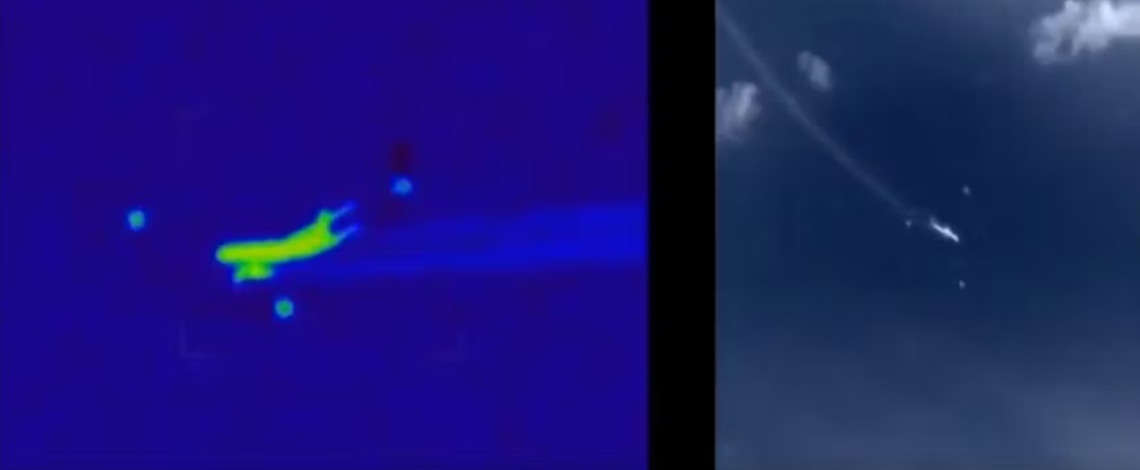
MH370 alleged satellite and drone UAP video
Looking Ahead
The United States, China, and Taiwan will remain locked in a struggle that goes far beyond business. For ordinary people, the story of chips may seem distant, but every call, search, and transaction runs on them. This hidden layer of the world economy points to where technology and geopolitics are heading next.
Explore more about finance, technology, and power:
Security comes from what you build, not what you are given.