



The Rothschild name attracts extreme claims. Some believe they are the richest family in history. Others think they control global money. The fascination persists because the Rothschilds operated at a rare intersection of private wealth, state finance, and war. The story begins with how money itself became trustworthy.
When Money Could Not Be Trusted
Long before the Rothschilds, traders in northern Europe faced a simple but costly problem: they could not easily trust the money in circulation. By the early 17th century, Europe was flooded with coins. Cities, kingdoms, churches, and private mints all issued their own. Many claimed a silver content they no longer contained. Merchants were forced to weigh and test money constantly, slowing trade and raising disputes. As commerce expanded across borders, the problem only intensified.
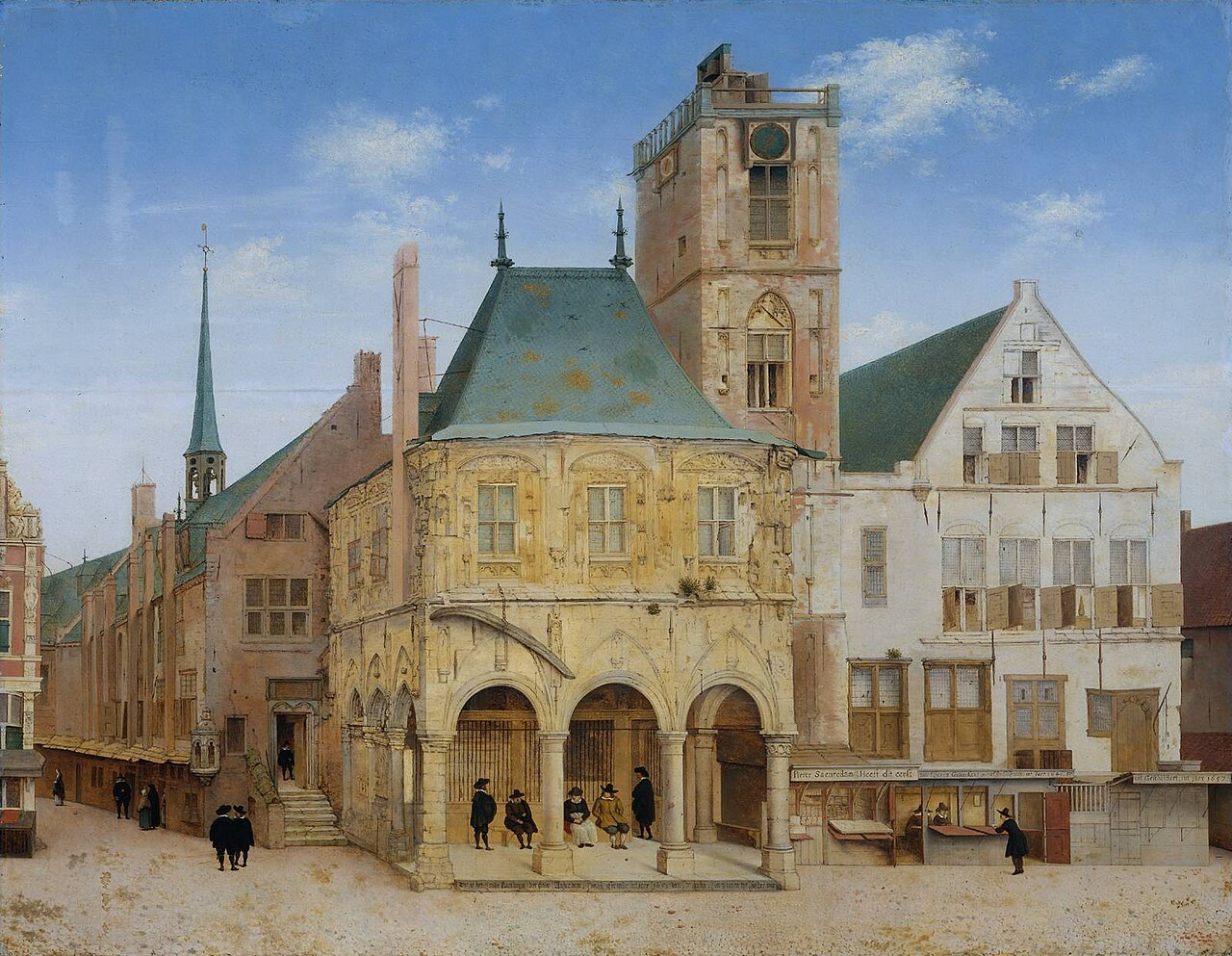
In 1609, Amsterdam responded by establishing the Bank of Amsterdam, also known as the Wisselbank. Rather than issuing paper promises, it accepted coins, verified their metal content, and credited accounts in standardized bank money backed by silver. Merchants trusted these balances more than physical coins, and trade accelerated.
From Trade Banks to War Finance
As states grew larger, their financial needs changed. Wars became longer, more complex, and far more expensive. England followed the Dutch example with the founding of the Bank of England in 1694, created explicitly to finance war against France. Investors lent money to the state in exchange for interest and the legal assurance that those debts would be honored. This allowed Britain to borrow tens of millions of pounds at a scale no monarch could manage alone.
Before early central banks, kings could simply refuse to repay debts. Loans were personal, tied to the ruler rather than the state.
By the time of the Napoleonic Wars, Britain was spending more than 60 million pounds per year. Financing war at this scale required not just institutions, but intermediaries who could move gold and credit across borders under extreme pressure.
The Rothschild Advantage
To understand who filled that role, it helps to step back a few decades. In the 1760s, Mayer Amschel Rothschild ran a small coin and currency exchange in Frankfurt, weighing silver and gold to determine which coins could actually be trusted. As his reputation grew, German nobles and the court of Hesse-Kassel relied on him to manage funds and arrange payments abroad.
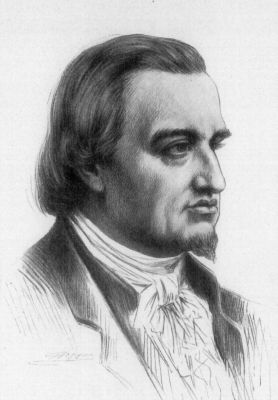
Rothschild is derived from the German zum rothen Schild, meaning “at the red shield,” a reference to the house sign used before street numbers existed.
Beginning in 1798, Mayer Amschel placed his sons in Europe’s major financial capitals with a specific purpose. Nathan handled Britain’s payments and credit from London, while his brothers operated in Paris, Vienna, Naples, and Frankfurt. Together, they formed a private network capable of moving gold, converting currencies, and settling state obligations across borders at a speed governments could not match. During wartime, this allowed armies to be paid, allies to be funded, and bonds to be issued without waiting on slow diplomatic or military channels.
International High Finance
After the Napoleonic Wars, the Rothschilds became central players in what historians later called international high finance. Between the 1820s and early 1900s, they arranged hundreds of millions of dollars worth of loans for European governments, financed early railways, and helped fund projects such as the Suez Canal.
“Not a cabinet moves without their advice. … They are the brokers and counselors of the kings of Europe and of the republican chiefs of America.” — Niles’ Weekly Register, Volume 49
For much of the 19th century, Rothschild marriages were arranged within the extended family, often between cousins. Intermarriage helped keep ownership concentrated, limited outside claims on capital, and ensured that sensitive financial decisions remained within a small, trusted circle.
Why Central Banks Became Dominant
As Ray Dalio outlines in The Changing World Order, large financial systems tend to evolve from personal trust toward institutional trust as economies scale. By the late 19th century, sovereign states were increasingly able to issue bonds directly to global markets without relying on private dynasties. This shift arrived just in time. By the early 20th century, nations were already preparing for conflicts that demanded unprecedented levels of financing.
In 1913, the United States created the Federal Reserve, consolidating monetary authority just before World War I. When war arrived in 1914, states relied on central banks and mass bond issuance to fund total mobilization. Today, U.S. national debt exceeds $38 trillion.
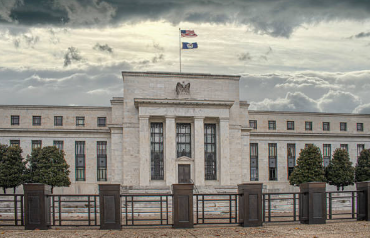
The Rothschilds adapted by transitioning from lenders to advisers within this institutional framework. The family’s primary advisory firm now maintains a presence in 47 countries. Central banks closed one chapter, but the forces that opened it remain very much active.
Explore more related deep dives on how money, debt, and power flow through modern financial systems:
- The Role of Central Banks in Money, Debt, and Markets
- Ray Dalio on the Current Decline and How to Prepare
- Bretton Woods Explained
- The Logic of the Petrodollar
Fit and Free focuses on what you can still govern yourself.