

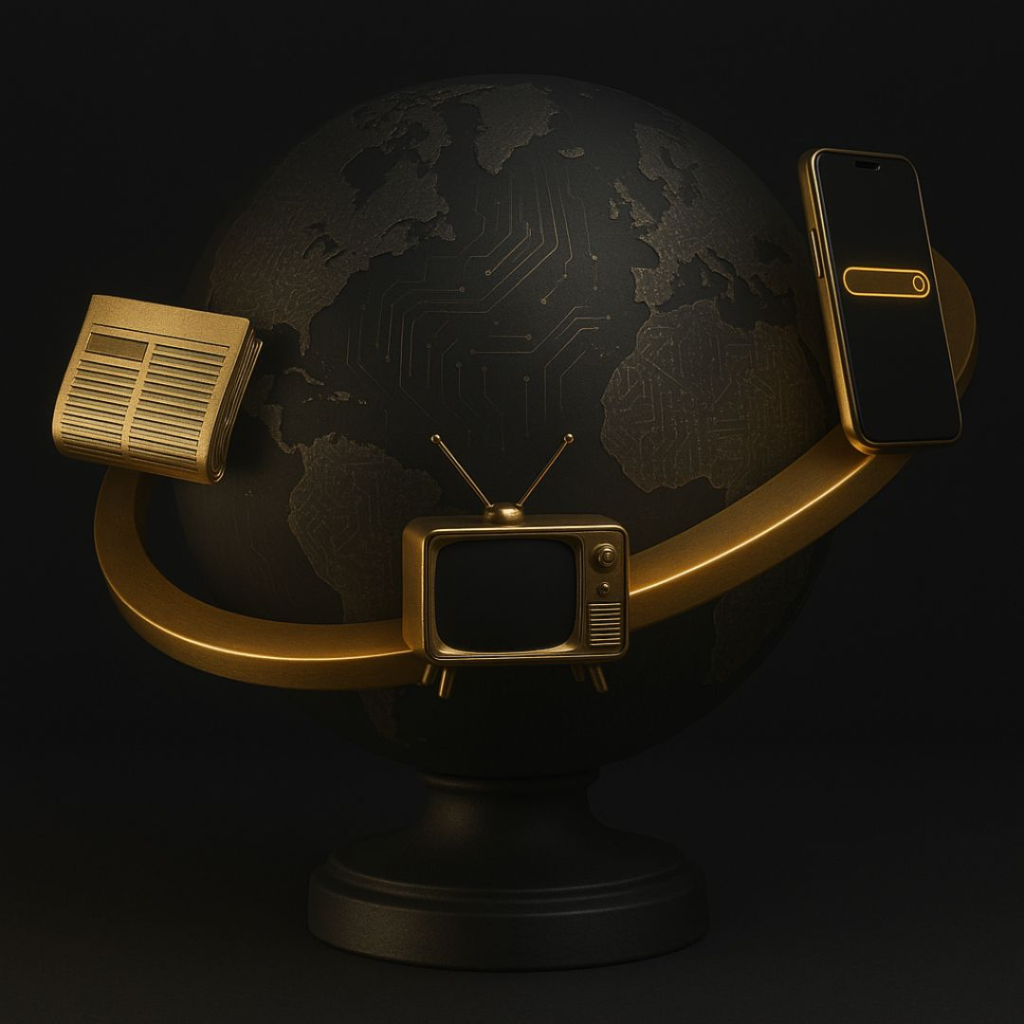
History is dictated by those who hold the pen. Today, the pen is a network of feeds, search results, and algorithms.
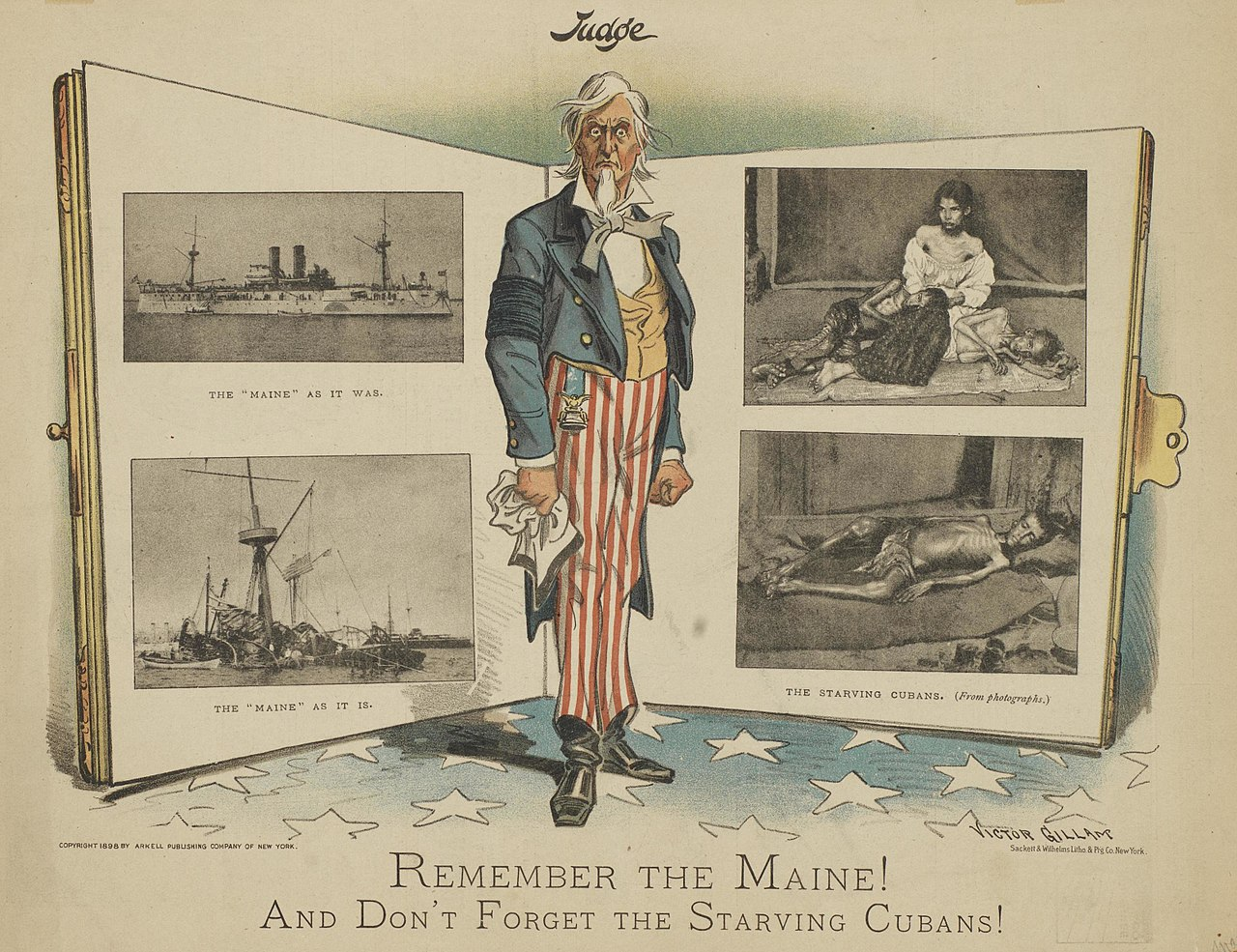
Information warfare is the use of communication technologies to influence what people think and how they act. It can be used during events and afterward to alter the record. A notable example is the Spanish-American War of 1898, when U.S. newspapers exaggerated or invented reports of Spanish brutality. This “yellow press” swayed public opinion and pushed America into war, showing how narratives can change the course of history.
What has changed is speed and reach. Propaganda once spread slowly through print, radio, or film. Today it moves instantly through TikTok, podcasts, search engines, and even AI tools. Controlling what people accept as true has become as strategic as military or economic power, and it is now part of the global balance of power.
Social Media As Battleground
Leaders now recognize that influence no longer flows through a single channel. Traditional news still matters, but the media industry has diversified. Donald Trump campaigned heavily through podcasts and TikTok, drawing in younger voters. India’s Prime Minister Narendra Modi sat for hours on the Lex Fridman podcast, reaching audiences far beyond India. Russia’s Vladimir Putin gave his first post-Ukraine interview to Tucker Carlson’s online show rather than a major newspaper. These choices highlight how podcasts, livestreams, and social platforms have become essential arenas of politics.
“It’s a modern form of communication. I think it helped me win.” — Donald Trump
Operations in the Shadows
Governments have long understood that controlling information can be as powerful as controlling territory. In the 1950s–60s the FBI ran COINTELPRO, a secret program against civil rights and antiwar groups. Agents wrote fake letters posing as insiders, planted false stories through journalists, and worked to turn movements against one another. It was an early case of domestic information warfare.
The same playbook was applied abroad. In the early 1950s, public relations pioneer Edward Bernays designed campaigns that painted Guatemala’s elected government as communist and dangerous. These stories circulated through U.S. media and helped build public opinion and political backing for the CIA-backed coup of 1954.
The Church Committee of 1975 was the only real public audit of U.S. intelligence operations. It uncovered surveillance, disinformation, and covert manipulation that had been hidden from the public for decades. Half a century later, no such investigation has been repeated.
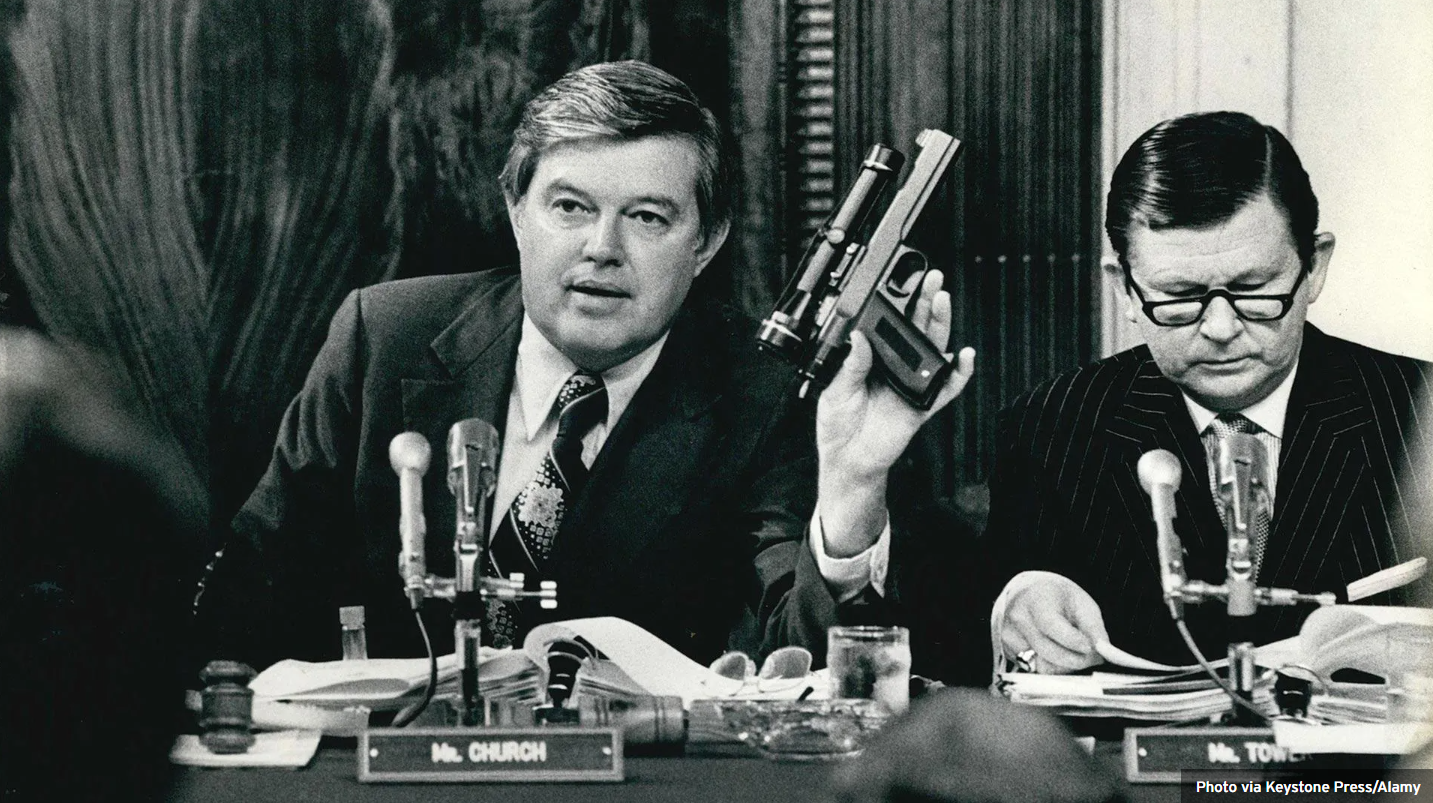
Photo via Keystone Press/Alamy
With the rise of the internet, these operations grew in scale. A planted story once reached thousands; today fake social media networks can reach millions within minutes. Hack-and-leak campaigns, bot swarms, hit pieces, and deepfakes all echo tactics tested decades earlier. The goal remains the same: shape opinion and divide societies.
Wikipedia as Gatekeeper
Few platforms influence information like Wikipedia. Its pages appear at the top of half of all Google searches. They also feed large language models, the AI systems behind tools like ChatGPT. These models do not verify facts; they reproduce the data they are trained on. If false or biased material is included, it flows into the answers given to millions of users. Controlling Wikipedia is therefore more powerful than most realize.
Co-founder Larry Sanger warns that 85% of Wikipedia’s core administrators and committee members are anonymous. They decide which sources are allowed on the site. The difference is striking. Major outlets with a left-leaning reputation, such as the ADL, MSNBC, CNN, and The New York Times, are generally approved. By contrast, right-leaning outlets like Fox News, the New York Post, and The Federalist are often flagged as unreliable or deprecated.
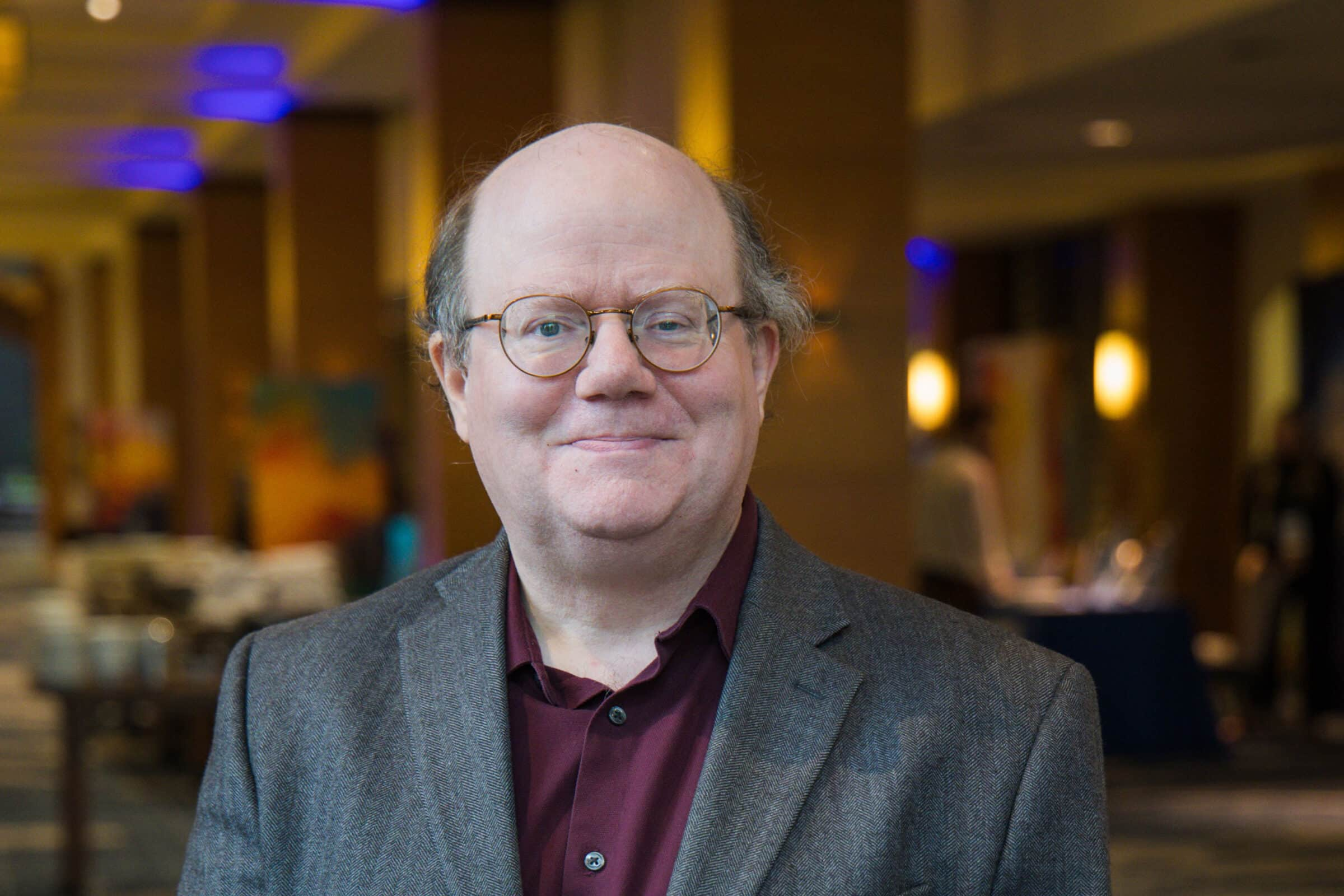
Wikipedia’s influence has been recognized for many years. As early as 2010, Naftali Bennett, later Israel’s Prime Minister, held workshops on editing Wikipedia to “ensure it is Zionist in nature.” When organized groups treat the platform as a battleground, neutrality turns from a rule into a contest.
Consolidation of Media Power
Information warfare is also about ownership. Traditional outlets still reach hundreds of millions, but control is becoming more concentrated. Oracle founder Larry Ellison and his family now hold stakes in Paramount, CBS, CNN, and even TikTok. If these holdings come under a single influence, coverage across television, film, and social media could tilt in ways that are difficult to challenge.
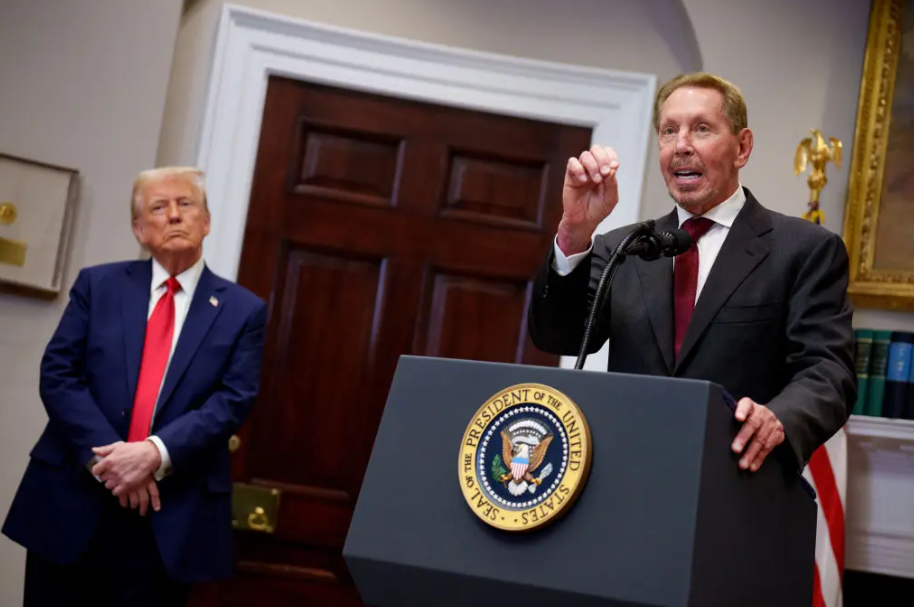
Photo by Andrew Harnik — Getty Images.
This is part of a global trend: media ownership is narrowing into fewer hands. Each merger leaves fewer independent voices and gives powerful interests greater influence over what the public sees and hears. It reflects a broader move toward technocracy, where authority rests less on debate and more on wealth and technical elites. Ownership itself has become another front in the information war.
The Next Battleground
Information warfare is now a constant reality. It spans intelligence operations, corporate ownership, search rankings, and the AI systems millions use to learn. Chips, algorithms, and media pipelines are as strategic as oil and steel, as shown in the US–China tech race. Awareness is the first defense. Those who understand these systems are harder to mislead.
Critical thinking remains the strongest protection.
If Wikipedia edits the truth, Fit & Free edits your habits.