



Over the past twenty years, the way we pay for things has changed dramatically. Products that people used to buy and own have gradually turned into services that require ongoing subscriptions. Music, software, cars, and even household devices now come with monthly fees attached. But what happens to personal freedom when access replaces ownership?
PlayStation has just introduced a new leasing model, allowing players to use a console for a fixed monthly fee. When the term ends, users can either continue paying or return the console to exit the agreement.
From a corporate perspective, the model is attractive. Recurring payments create reliable revenue and smoother cash flow. Public markets reward predictable growth, which encourages companies to replace one-off sales with forever fees. For consumers, however, the long-term cost is less visible. A small monthly fee may feel manageable, but over several years it can far exceed the original purchase price.
From Owning to Renting
Subscriptions are not new. Newspapers and magazines have operated on them for generations. What has changed is the role of software. When products depend on digital infrastructure, companies can control access remotely. Updates, features, and even basic functionality can be modified (or restricted!) after purchase.
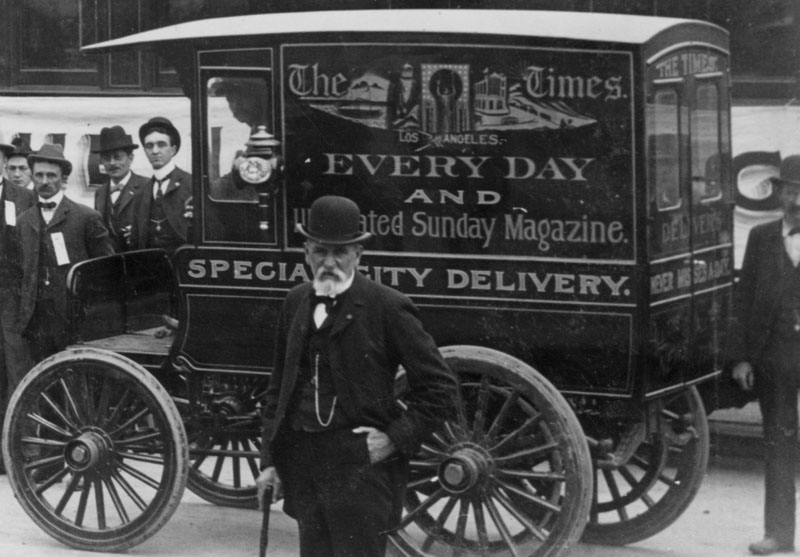
Cable television helped normalize monthly billing at scale, and internet providers followed as connectivity became essential. In the 2010s, software firms such as Adobe moved from one-time licenses to recurring payments. Customers hated it. Revenue increased sharply regardless. Other industries took notes.
“Today, we’ve reached a point where your own front door might require monthly billing just to recognize you.” — Stijn McAdam
Why the Model Expands
Subscriptions are frictionless by design. Payments are automated, renewal is the default, and cancellation often requires effort. Regulators have taken notice. In recent years, authorities have pursued legal action against companies accused of making cancellation unnecessarily difficult.
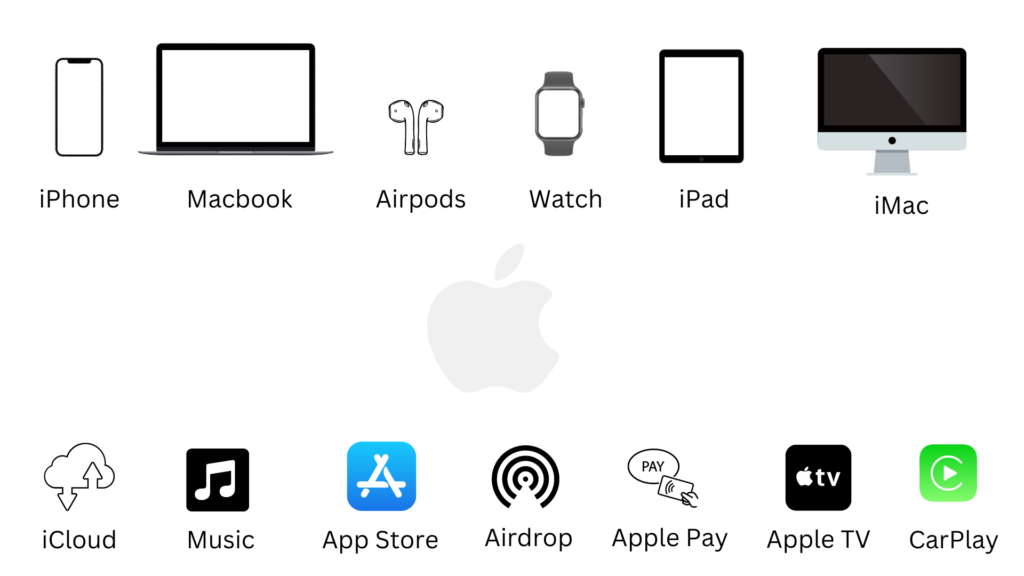
At the same time, digital infrastructure has consolidated among a small group of powerful firms. Companies such as Apple, Google, and Microsoft operate integrated ecosystems that combine hardware, software, app stores, and cloud services. Subscriptions layer naturally on top of these systems, turning ecosystems into recurring revenue machines. When ecosystems become closed, switching costs rise – and so can prices.
The Cost Beyond Money
The economic logic is clear, but the cultural implications are less discussed. Critics connect this shift to broader debates about ownership and autonomy. A controversial 2018 video shared by the World Economic Forum (WEF) summarized a speculative 2030 scenario with the phrase, “you’ll own nothing and be happy.” The slogan resonated because it captured a dystopian trend.
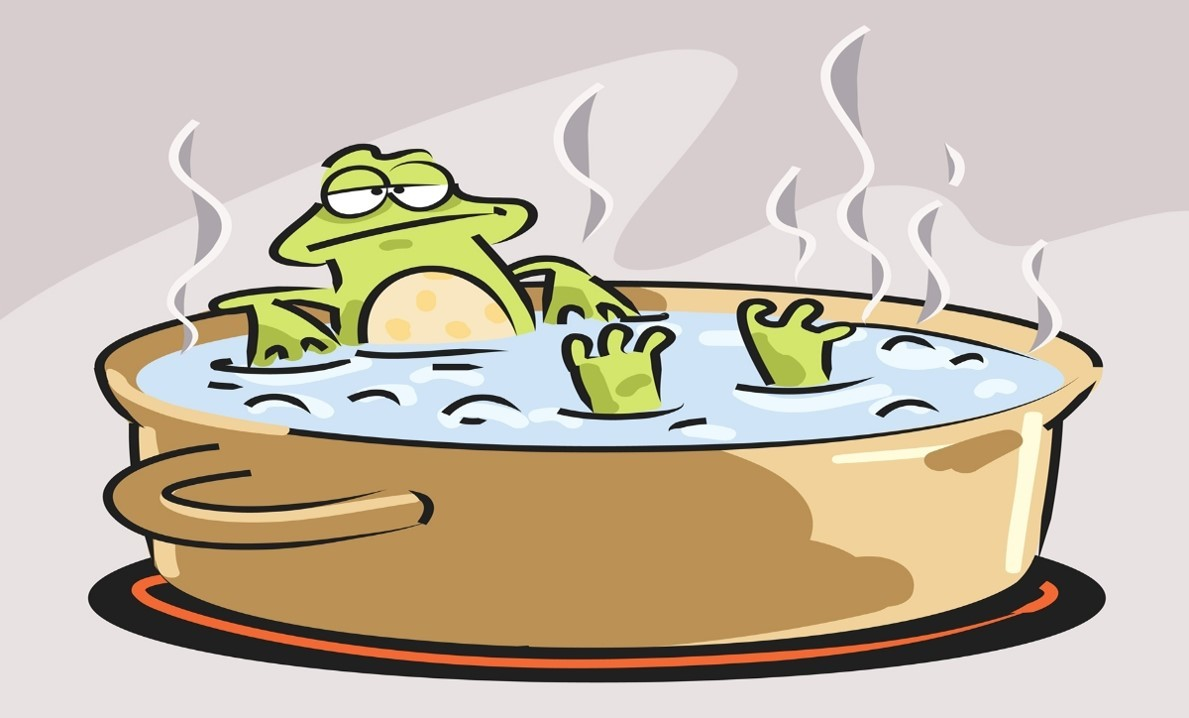
This transition is often explained using the “boiling frog” metaphor: the idea that gradual change becomes noticeable only when reversal is difficult… or impossible.
“The adjustment is cultural as much as economic: recurring payment becomes the default assumption rather than the exception.” — Stijn McAdam
A Limited Pushback
There are signs of resistance, but they remain limited. Financial tools now exist to identify subscriptions that can be canceled or consolidated. Regulators have also increased scrutiny of automatic renewals and cancellation practices. But beyond that, the broader direction is clear. Convenience and lower upfront costs continue to outweigh long-term considerations for most.
The trend even extends beyond traditional subscriptions. Buy-now-pay-later financing now appears in places where ownership was never in question to begin with. Klarna has partnered with DoorDash to allow customers to finance food deliveries. Technically, you still own the burrito. Just not for very long.
When products become services, permanence becomes temporary, and your lifestyle becomes dependent on a system that only works as long as payments continue.
Explore more related deep dives on finance, freedom, and power:
- Information Warfare
- Shift Toward Technocracy
- Governance of Truth
- The Power Behind Silicon Valley
- How the Rothschilds Enabled Modern Finance
A physical book on real freedom. No subscription required.