



From kings to parliaments to algorithms, the way humans are governed keeps evolving.
For centuries, political systems determined who held power and how laws were made. Monarchs once ruled by birthright. Later, parliaments and elected leaders became the norm. Now, digital technology is driving a new future. To get a sense of where power is headed, it helps to examine older models of rule and the growing influence of technocracy.
- Democracy: Power through elections and rights
- Republics & Monarchies: Power by representation or tradition
- Authoritarian & Hybrid: Limited freedoms and controlled choice
- Technocracy: Rule by tech experts, data, and digital systems
Governance and the Balance of Power
The type of government shapes freedoms, property rights, and economic opportunity. In 1748, Montesquieu argued in De l’esprit des lois that dividing authority between branches of government was essential to prevent abuse of power. His idea of trias politica still underpins modern democracies. Yet history shows that no structure of rule is permanent. Each era builds its own system of authority.
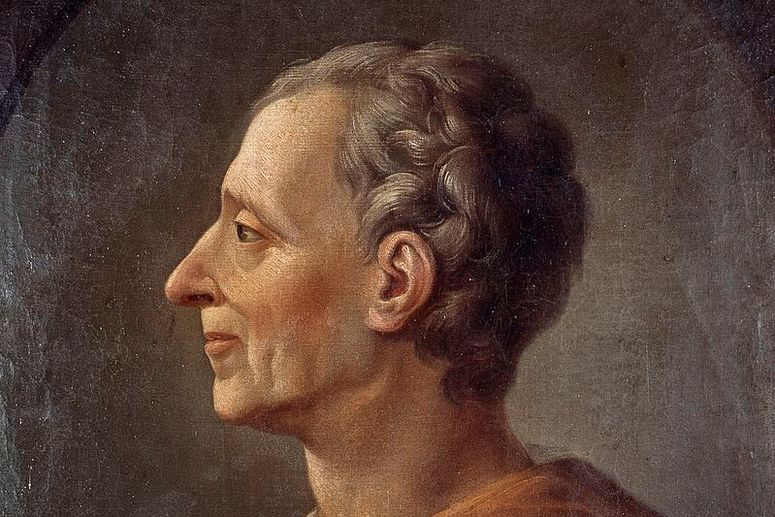
Portrait of Montesquieu
The Old Models of Government
Democracy is built on competitive elections, civil liberties, and independent courts. The Economist Intelligence Unit counts only 25 full democracies today, covering about 7% of the world’s population. Many more are flawed: held back by corruption, weak institutions, or low political trust. Republics are democracies where elected representatives govern, a system common across Europe and the Americas.
Monarchies once dominated global politics. Today most, such as those in the UK or the Netherlands, are constitutional and largely symbolic. A few remain absolute, like Saudi Arabia, where executive and legislative authority rest with the ruling family.
Authoritarian regimes centralize power in a single leader or party. Elections, if held, lack genuine competition and opposition is constrained. Hybrid regimes operate in between, allowing voting while limiting courts, media, or opposition. According to the V-Dem Institute, autocracies now outnumber democracies worldwide. These trends also change how states deal with each other and echo classic debates in realism versus liberalism in international relations.
The Rise of Technocracy
A technocracy is governance led by technical experts and data-driven systems. The concept gained traction during the 1930s, when engineer-led movements proposed replacing elected politicians with scientists and planners. Elon Musk’s grandfather, Joshua Haldeman, was even a leader in Canada’s technocracy movement. While the vision faded, its logic is returning in digital form. Governments increasingly rely on algorithms, predictive models, and partnerships with private technology firms.
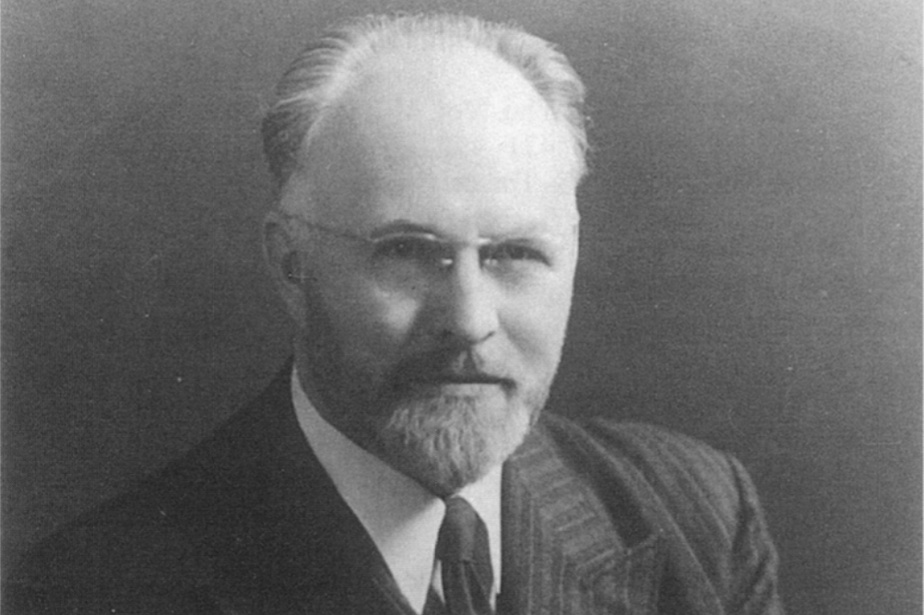
Joshua Haldeman, grandfather of Elon Musk
Technocracy in Practice
China is piloting a digital yuan and expanding data-based governance tools. Singapore brands itself a “Smart Nation,” placing most public services online and investing heavily in AI. Estonia integrates healthcare, taxation, and voting through a data system. India’s operates Aadhaar, the world’s largest biometric ID system. In the Gulf, the UAE, Saudi Arabia, and Qatar’s have national AI strategies. Even in the United States, vast military and security data flows through private contractors such as Palantir.
The Efficiency Trap
Efficiency is the promise of technocracy: faster services, seamless payments, predictive planning. But efficiency can also be a trap. After the September 11 attacks, the Patriot Act enabled mass surveillance. Once data infrastructures are embedded into daily life, they are rarely rolled back. The main question becomes not simply who governs, but how deeply systems mediate everyday decisions.
The Future of Freedom
Older political models explain where power once rested. The rise of technocracy suggests where it may concentrate next. Governance defines the laws you follow, the currency you use, and the privacy you retain. Increasingly, it is intertwined with code and data architecture. The challenge ahead is whether citizens remain active participants in that system, or get ruled by it.
Explore more deep dives connected to power, technology, and the systems behind it:
- AI, AGI, CGI Made Clear
- The Dangerous Race to Superintelligence
- The Promise and Threat of Quantum Computing
- The US–China Tech Race
- Information Warfare in the 21st Century
A primer to protect your freedom, with strategies for health, finance, and geo-arbitrage that keep control in your hands.