

Every major economy depends on rare earth elements, but only a handful of nations control their supply. They have become a defining factor in global trade and security. The reason they matter so much starts with what they are and how they’re used.
What Are Rare Earth Elements?
Rare earth elements are a group of 17 metals found naturally in the Earth’s crust. They are not truly rare like gold, but they occur in very low concentrations and are usually mixed with other minerals, which makes extraction technically complex and economically costly.

Photo: Reuters / David Becker
The Engines of Modern Industry
Rare earths make much of modern technology possible. Neodymium and dysprosium are used to produce the compact magnets that power electric vehicles, wind turbines, and industrial motors. Cerium helps polish the microchips inside phones and computers, while lanthanum and other light rare earths improve optical glass, sensors, and circuit materials. Heavy rare earths such as terbium and europium create the vivid colors in screens and enable night-vision equipment, radar, and precision-guided systems. Their role in both consumer technology and defense makes them central to the global competition discussed in the US–China chip race.
Not every strategic mineral is a rare earth element. Metals like cobalt, lithium, and nickel, used in electric vehicle batteries and smartphones, belong to a broader group known as critical minerals. Rare earths, on the other hand, provide those same devices with their magnets, motors, and precision sensors. Both types are essential for modern technology, but rare earths are particularly vital for defense electronics and energy-efficient systems.
Where We Find Them
Although rare earth deposits exist on every continent, only a few regions hold concentrations high enough for profitable extraction. China dominates production, accounting for about 70% of global mining and nearly 90% of refining. While it holds roughly one-third of the world’s known reserves, its influence comes from industrial strategy rather than geology. Decades of state investment, lower environmental restrictions, and government-backed pricing have allowed it to undercut competitors. This dominance gives Beijing significant leverage in the new global power balance.
Brazil has the second-largest reserves, roughly 23% of global resources, but contributes only a small share of total output. Vietnam also holds large deposits that remain mostly undeveloped, while Russia, India, Australia, and Canada continue to expand their projects.
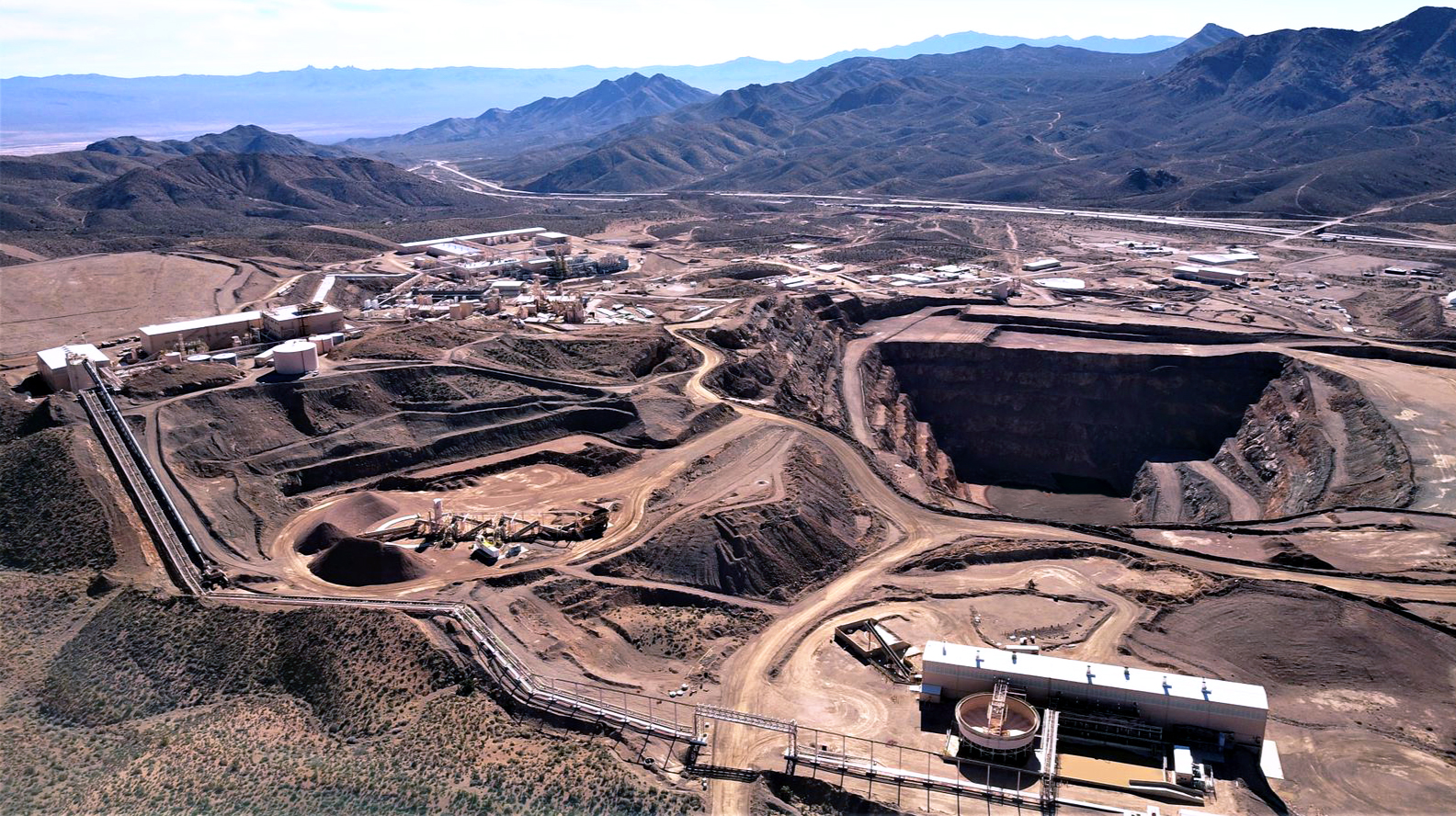
Photo: MP Materials Corp.
When Geopolitics Collide
Beyond the dominant producers are countries that rarely make technology headlines but are becoming central to the global resource map. In mid-2025, President Donald Trump said the United States should annex Greenland, calling it “essential for international security.” Soon after, Washington began exploring a direct stake in Greenland’s largest rare earth mining project.
By late October 2025, that strategy had become visible across the resource world. The U.S. signed new mineral agreements with Malaysia, Australia, and Japan to reduce reliance on China. At the same time, unrest intensified in several resource-rich regions: Madagascar faced a military coup, Sudan’s RSF captured El Fashir, and U.S. forces launched strikes off the coast of Venezuela amid growing militarization.
Together, these events show how the global race for rare earths has entered a new phase. One that runs parallel to the race to superintelligence, both driven by the same competition for dominance over advanced chips and the materials that make them possible.
The Bigger Picture
So, rare earths are much more than just materials. The countries that process them shape everything from turbines to tanks, from chips to satellites. In this new era, control over elements has become control over progress itself.
Continue exploring how power, technology, and global strategy are reordering our world:
- Arctic Power Map for Resources and Trade
- Technocracy and the Future of Governance
- Information Warfare in the 21st Century
- Realism vs Liberalism in International Relations
Energy, balance, and control are not only global challenges. They begin at a personal level.