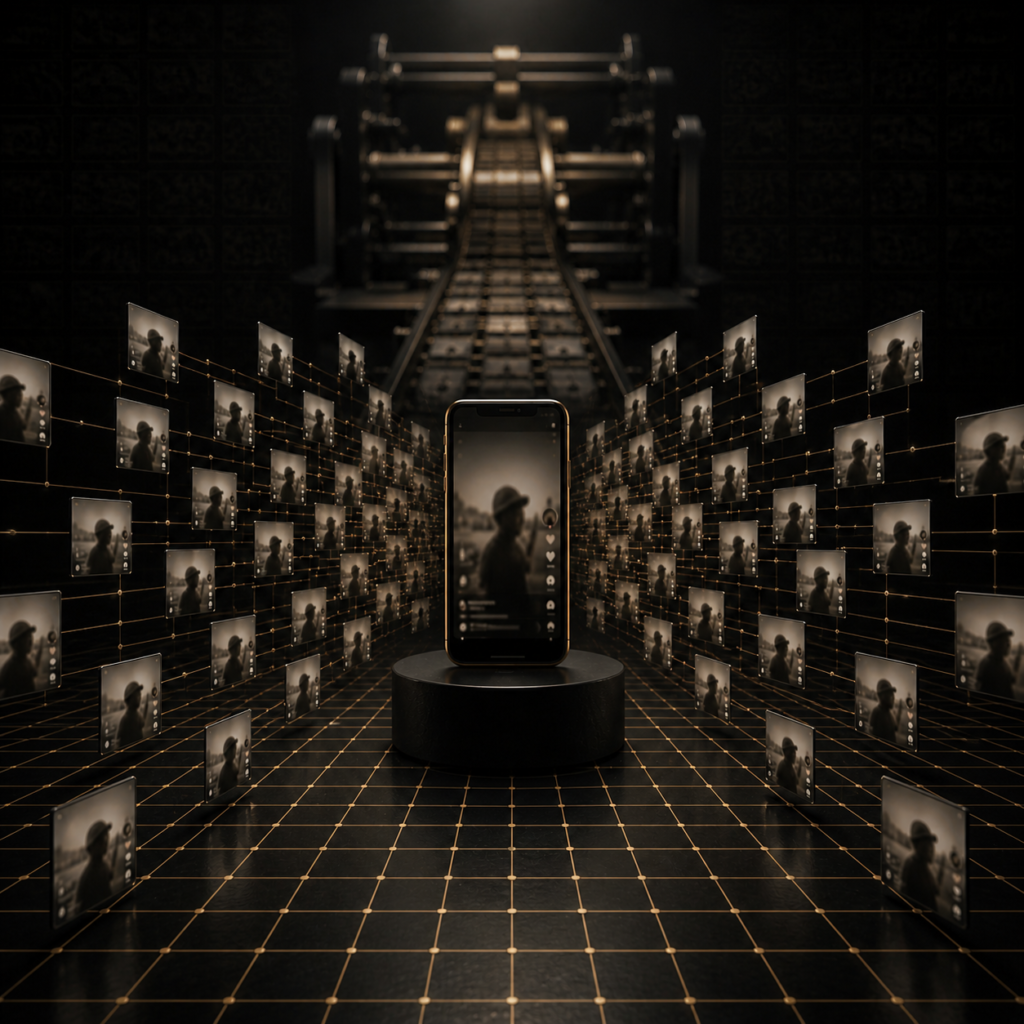


AI, AGI, and CGI are often confused, yet each refers to a very different kind of technology.
Artificial intelligence (AI) is real and already part of daily life. Artificial general intelligence (AGI) is still only an idea that researchers debate but have not reached. Computer generated imagery (CGI) is not intelligent at all, but it transforms the films, games, and media people consume every day. Sorting them out puts the current state of technology and its direction into context.
- AI: systems that learn patterns to perform specific tasks
- AGI: a still theoretical intelligence that can adapt like a human
- CGI: visuals and effects in media, now blending with AI tools
Understanding AI Today
AI refers to computer systems that handle tasks which seem intelligent when done by humans. Examples include translation apps, map navigation, or online recommendations. Most modern AI works through machine learning, where systems improve by studying large sets of data until they can recognize patterns and make predictions. A more advanced form is deep learning, which uses layered networks inspired by the brain to process harder problems such as language or vision. The comparison to the brain is only conceptual, as these systems do not think or understand – they process patterns mathematically.
Models like GPT 5 show how far this has come, writing text, solving equations, and generating code. Still, today’s AI remains narrow: it can perform specific tasks very well but cannot transfer knowledge across unrelated fields the way people can.
It is worth noting that while training often involves collecting large amounts of data from the internet, many AI systems do not pull live information when you use them. Instead, they generate answers based on patterns learned during training.
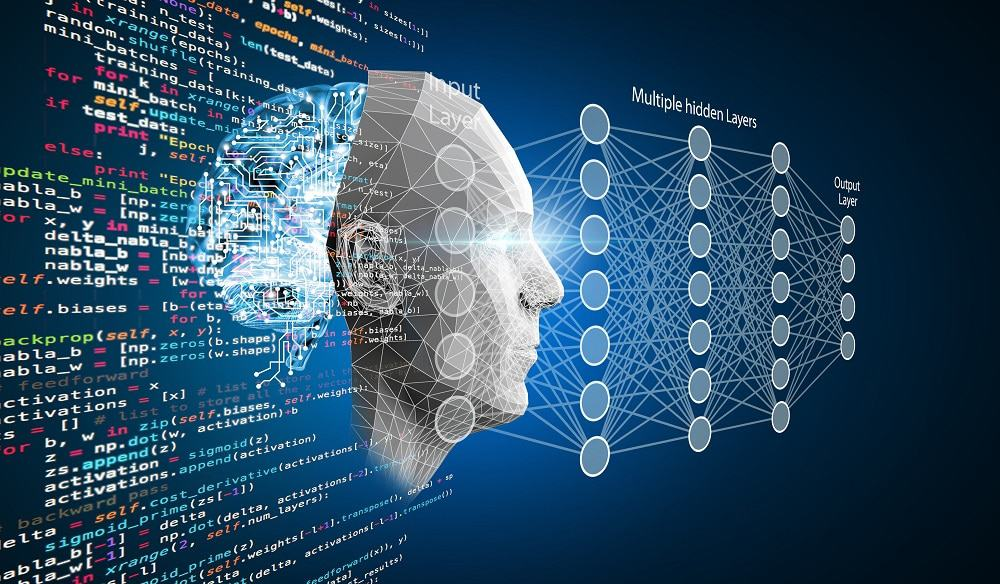
Concept illustration of artificial intelligence and neural networks
The Idea of AGI
Artificial general intelligence describes a system that could learn, reason, and adapt across many fields in a way comparable to humans. Where current AI might translate text or plan a route, an AGI could do both, switch between them, and acquire new skills without being retrained. The distinction matters because such systems would no longer be limited to one task or profession, potentially affecting how work, education, and decision-making function. Predictions for when AGI might appear range from the 2030s to much later, with no clear consensus among researchers and industry leaders.
Beyond that lies the concept of artificial superintelligence, a system more capable than humans in nearly every domain. The stakes range from large productivity gains to risks of misuse and control. Questions about who sets standards and values for these systems are already visible in debates over an AI Cold War between leading powers.

Illustration of artificial general intelligence (AGI)
Where CGI Fits In
Computer generated imagery is different. It creates the visuals used in film, games, and digital media. CGI does not think or make decisions, but it produces the images that shape culture and entertainment. What is new is the overlap with AI through synthetic media, meaning images, video, or audio generated or heavily altered by software rather than recorded in the real world. This includes deepfakes, AI voice replicas, and virtual actors. Such uses raise legal and ethical questions, with countries like Denmark moving to regulate deepfake media by granting copyright over one’s face and voice.
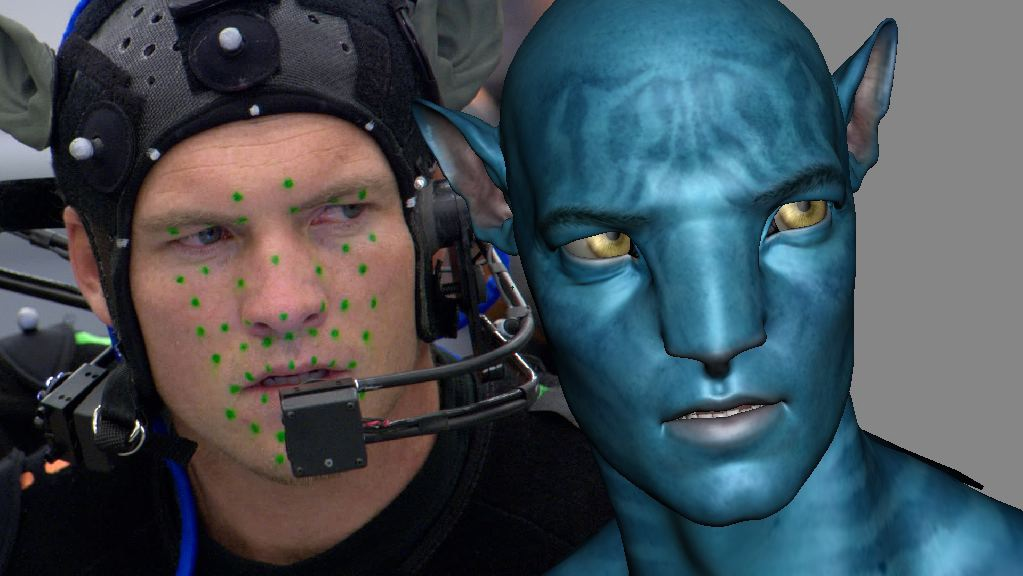
Motion capture and CGI character creation for Avatar
What To Keep In Mind
The three terms point to different realities. AI is practical and already in use, built on machine learning and deep learning. AGI remains a goal rather than a current technology, with artificial superintelligence as a further step beyond. CGI is not intelligence at all, but increasingly overlaps with AI through synthetic media.
New systems extend reach and speed, but direction still comes from human decisions. The ability to stay clear and disciplined decides how much of that progress works for you rather than against you.
Explore more deep dives connected to AI, chips, and the systems behind our technological future:
- A Technocratic Future
- The Promise and Threat of Quantum Computing
- The AI Bubble No One Wants to See
- US–China Tech Race
Artificial intelligence is given. Wisdom and strength are earned.