

Silicon Valley runs on networks of influence. One close group has become one of the most powerful forces in the technology world.
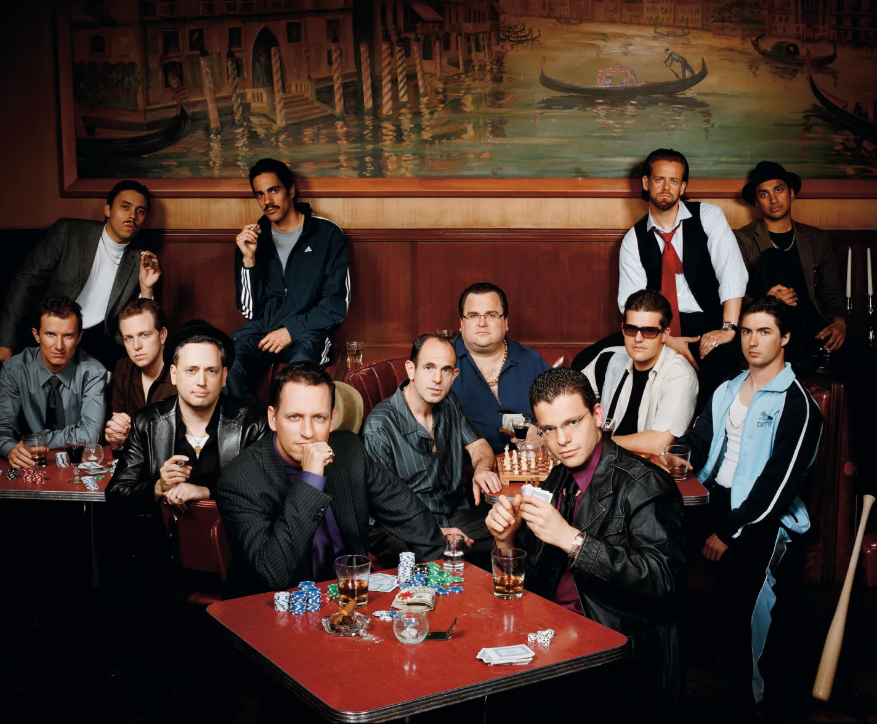
The term “PayPal Mafia” refers to a group of PayPal founders and early employees who went on to drive much of the global tech industry. After PayPal was sold to eBay in 2002, they stayed closely connected and began building or backing new startups. The nickname started as a joke after a Fortune photo shoot in gangster outfits, but it stuck as their track record grew. The strong trust they built during PayPal’s turbulent early years became a powerful foundation for launching new ventures.
Ventures Behind the Group
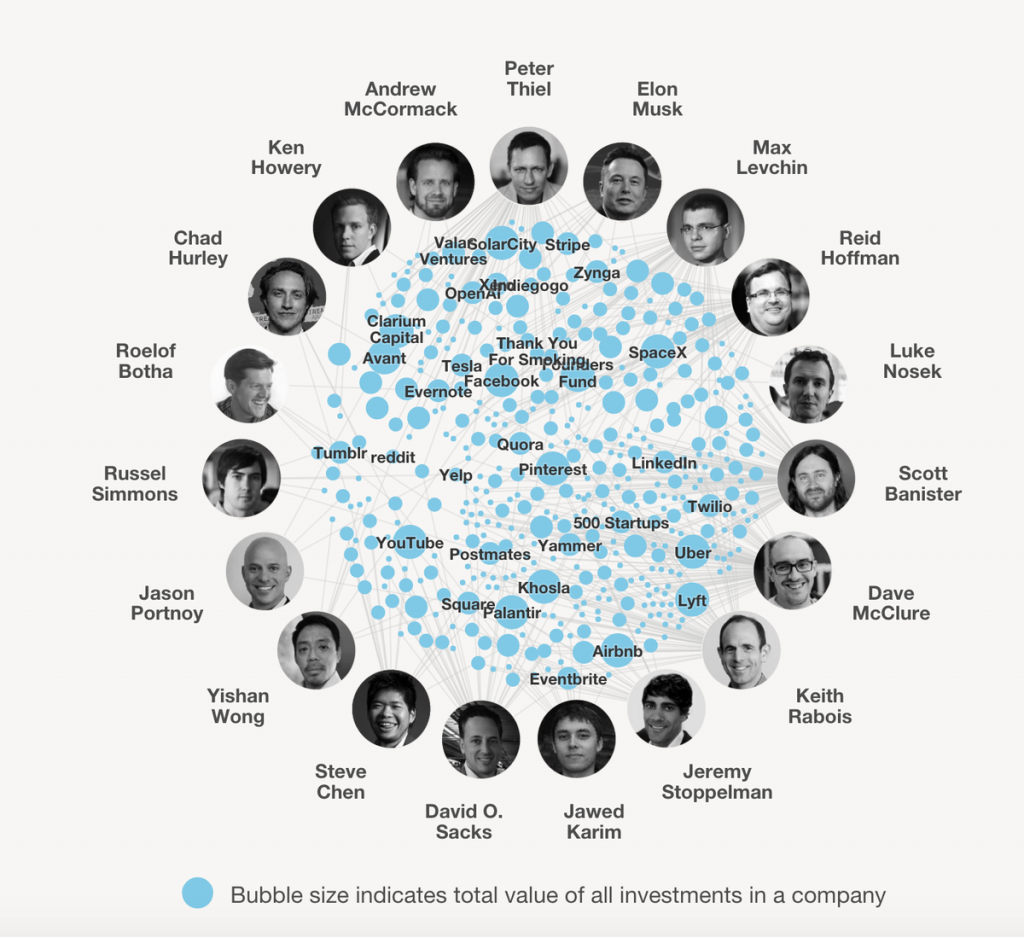
The PayPal Mafia includes some of the best-known names in technology, such as Elon Musk and Peter Thiel. Many went on to found or co-found household brands. Three engineers launched YouTube, while Reid Hoffman created LinkedIn. Others became early backers of Airbnb, Facebook, Palantir, Pinterest, SpaceX, Tesla, Uber, Stripe, and OpenAI. Their influence also reached leadership roles at platforms like Reddit and board positions at giants like Microsoft.
Did you know? When PayPal was first created, Elon Musk named it X.com. He later bought back the domain and in 2023 used it to rebrand Twitter as 𝕏. The letter X has been a constant theme in Musk’s life. It appeared in SpaceX, Tesla’s Model X, and even in the name of one of his children.
Shaping Silicon Valley
Why did so many successes spring from the PayPal team? One reason is that they carried their network and way of working into each new venture. They supported each other’s ideas, often providing seed funding or mentorship. Being connected to this “mafia” became almost a badge of credibility. The group’s reputation for spotting winners, sometimes called their “golden touch,” created a cycle of influence. If a PayPal member backed a startup, others in Silicon Valley (the hub of the global tech industry) paid attention. In effect, they became informal gatekeepers of what tech succeeded.
From Silicon Valley to Washington
Today, their reach extends into politics. Peter Thiel’s protégé J.D. Vance became Vice President of the United States under Donald Trump, supported by Thiel’s financial backing. Elon Musk was appointed head of the Department of Government Efficiency (DOGE), where he was tasked with streamlining bureaucracy. David O. Sacks, another former PayPal executive, was named the White House AI and crypto czar.
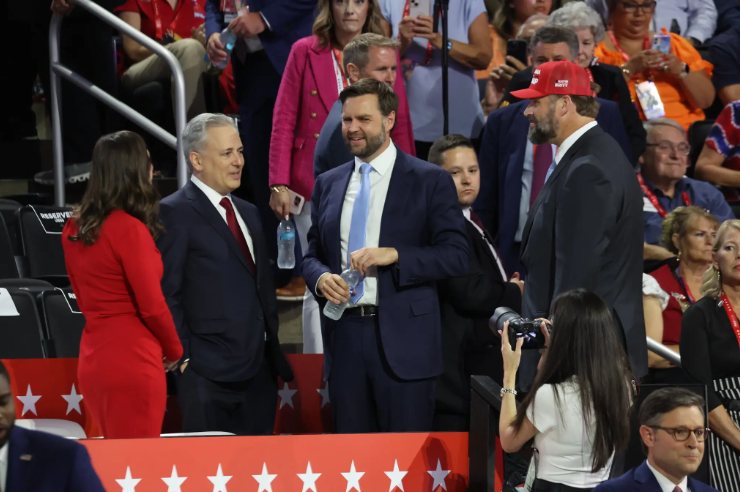
Photo: Maddie McGarvey for The New York Times
Thiel’s company Palantir, co-founded after PayPal, now handles major data projects for U.S. defense and intelligence agencies. Supporters see these moves as a chance to bring efficiency into government, while critics worry about unelected billionaires gaining power over public policy. It reflects a broader shift toward technocracy, where technical elites play a central role in governance.
“Every great business is built around a secret that’s hidden from the outside.” — Peter Thiel
The Legacy of the PayPal Mafia
The rise of the PayPal Mafia shows how far a close network can go. Many of today’s biggest platforms, from social networks to payment systems, carry their fingerprints. Some members even moved into roles that manage national policy. For everyday users, it’s a reminder that behind the apps we use lies a small circle of powerful players whose reach keeps growing.
The PayPal Mafia runs apps, Fit & Free runs your autonomy.