



Sunlight is free, yet it forms your sleep, mood, energy, and even how quickly you recover from illness.
Light is not only something we see. It sets the rhythm of the body clock, guides hormone levels, and signals to the brain when to wake, focus, and rest. Morning sunlight sharpens alertness, afternoon light prepares the body for sleep, and darkness at night protects recovery. Research shows that patients in rooms with natural daylight often recover faster than those exposed mainly to artificial light. Sunlight remains one of the most overlooked health tools available to everyone.
How Sunlight Directs Your System
Sunlight contains a mix of wavelengths that influence the body in different ways. Blue light in the morning signals alertness and helps reset the brain’s internal clock. Warmer yellow and orange tones later in the day help the body shift toward rest. UVB light, the type responsible for tanning, triggers vitamin D production in the skin, supporting bone health, immunity, and mood. Together, these signals regulate the circadian rhythm that coordinates sleep, hunger, and body temperature.
For a broader view of proven lifestyle habits that extend healthy years, see our guide on science based habits to live longer.
Morning Light for Focus and Sleep
Step outside within the first hour of waking. Around 10 minutes of morning light helps the body release cortisol at the right time, increasing focus and energy. The same signal helps schedule melatonin production later in the evening, making it easier to fall asleep. On cloudy mornings, aim for at least 15 to 20 minutes outdoors. Skip sunglasses during this window so natural light can reach the eyes, but never look directly at the sun. Light filtered through glass does not produce the same biological effect.
Afternoon Light as a Second Anchor
Short afternoon exposure reinforces circadian timing and helps the body transition toward night. This is also a practical moment for safe skin exposure, as brief sessions can support vitamin D levels and improve mood. Like other simple health habits, the effect comes from consistency rather than intensity.
Healing Power of Natural Light
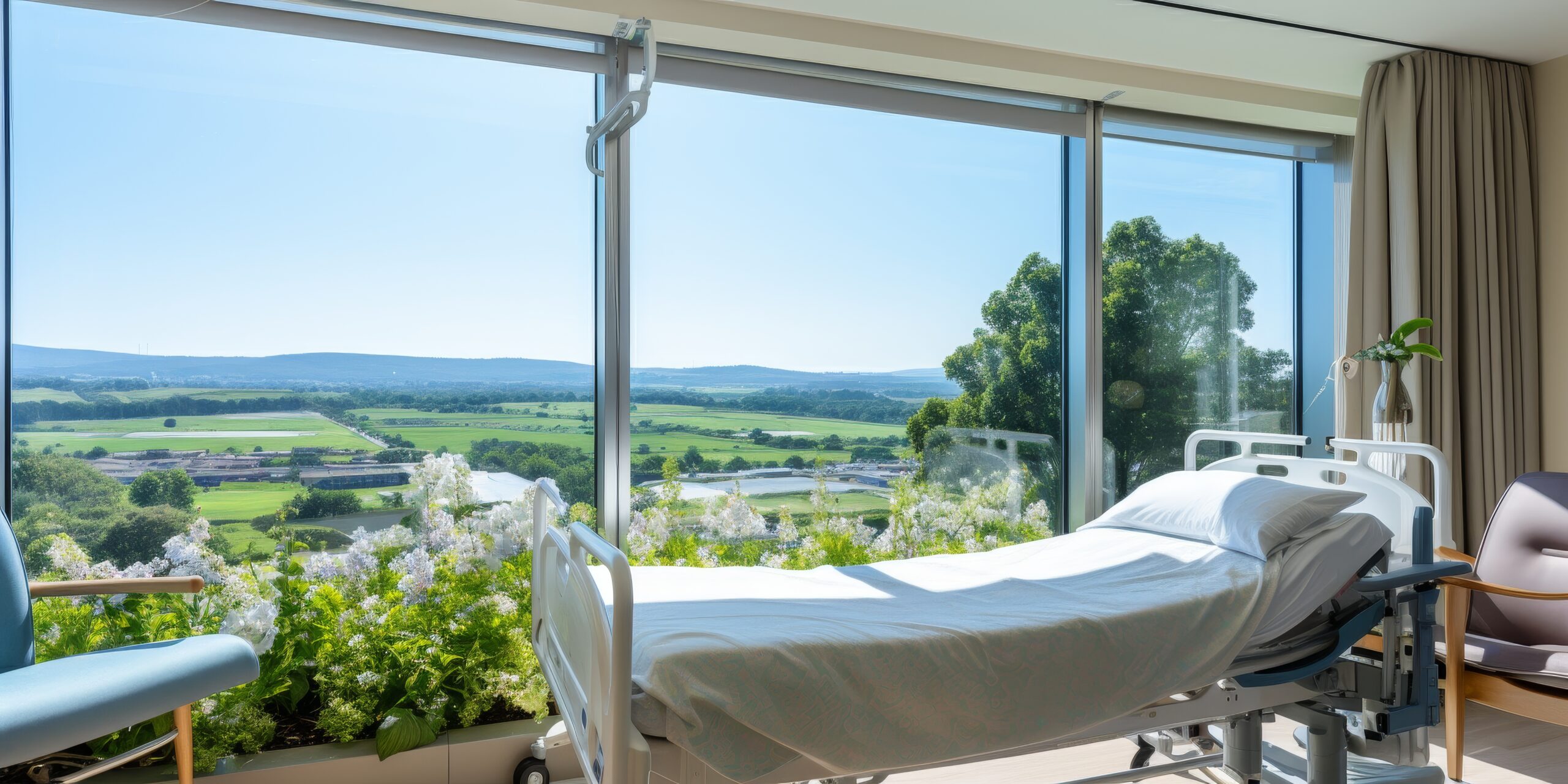
Daylight is much more than a mood booster. A landmark study found that surgical patients with a window view of nature recovered faster, required less pain medication, and received fewer negative notes in medical charts than patients facing a wall. These findings reflect a broader theme discussed in why modern life feels empty: simple inputs such as light, sleep, and movement still play a central role in well-being.
Practical Tips to Use Sunlight
Build sunlight into your day with a few simple habits:
- Go outside for 10 minutes within an hour of waking
- Add a short afternoon walk or place your desk near a window
- Expose some skin safely for vitamin D while avoiding sunburn
- If sunlight is limited, use a 10,000 lux daylight therapy lamp for 20–30 minutes in the morning
- After sunset, dim bright overhead lighting and switch to warmer lamps
- Keep the bedroom dark at night to protect deep sleep
Bright End Note
Sunlight costs nothing and pays back through better mood, stronger immunity, improved sleep, and faster recovery. Build small daily rhythms around it and let the effects compound. Structure like this sits at the center of living fit and free.
Explore more related deep dives on health, freedom, and science:
- The Island Where 100 Is Normal
- Hyper-Individualism Made Us Forget Each Other
- The Decline of Men’s Testosterone
- A $9 Trillion Wellness Economy
Freedom grows where rhythm lives. Start with sunlight.