



Science-based habits can help you live longer and healthier.
The 5 Habits to Add Years to Your Life
A 2024 study in Nature Medicine found that lifestyle and environmental factors play a much greater role in healthy aging than genetics. Among the most influential were smoking, physical activity, socioeconomic status and early life exposures. These factors are largely modifiable and strongly linked to both mortality and biological ageing. Below are five evidence based habits that can support a longer, healthier life.
- Move daily and strength train to cut mortality by as much as 41%
- Plant rich diets lower chronic disease risk by 20%
- Quality sleep protects brain and heart health
- Social ties and mental activity delay cognitive decline
- Moderate calories and avoid harmful habits to add up to 10 years
1. Move Your Body with Aerobic and Strength Training
A 2019 meta analysis in The Lancet Public Health confirms that meeting WHO guidelines, which include 150 to 300 minutes of moderate aerobic exercise and at least two strength sessions per week, can lower your overall risk of death by up to 21% and reduce heart-related death by 27%. A 2022 study in the British Journal of Sports Medicine found that combining cardio with strength training lowered the risk of death by 41% in older adults.
Start with controlled, full-range bodyweight movements like squats, lunges, and pushups. Add brisk walks or cycling for aerobic support, and aim for consistent weekly sessions with built-in rest days.
“Train for life, and your body becomes your asset.” — Fit & Free, Chapter 3. That chapter goes much deeper into how movement builds resilience over time.
2. Eat a High Quality, Primarily Plant Based Diet
A 2023 JAMA Internal Medicine study of over 100,000 participants found that diets rich in fruits, vegetables, whole grains, nuts and legumes reduce chronic disease risk by 20% and double the chance of healthy ageing by age 70. Avoiding ultra processed foods is just as critical.

Plant-based foods (Photo: Getty Images)
3. Get Consistent, Restorative Sleep
A large U.S. cohort study using NHANES data from 2005 to 2014 found that sleeping less than five hours per night increases the risk of death by 40%. Sleeping nine hours or more raised it by 74%, compared to those who averaged around seven hours. Consistent sleep between seven and eight hours appears optimal for long-term health. A regular bedtime and avoiding screens in the evening can help protect brain function and heart health. Try dimming lights an hour before bed and skipping caffeine after lunch.
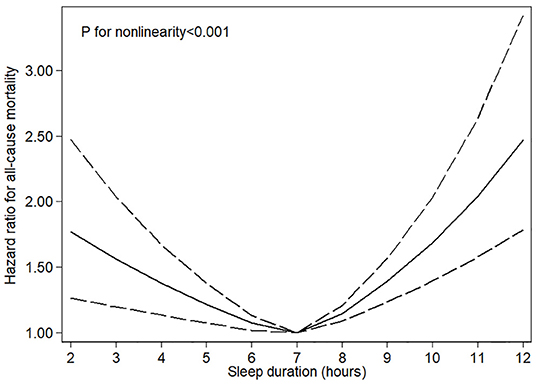
Hazard ratio for all-cause mortality by sleep duration. Less than five hours or more than nine hours per night significantly raises risk.
4. Cultivate Social Connection and Mental Stimulation
A 2023 clinical trial involving older adults with mild cognitive impairment found that combining digital brain training with a structured movement program led to better cognitive outcomes than exercise alone. The results suggest that mental stimulation and physical activity work best together to support healthy ageing. Join groups that challenge both your mind and your body. Try a walking club that discusses books, chess meetups, or volunteer roles where you engage with new people and solve problems.
5. Practice Calorie Moderation and Avoid Harmful Behaviors
The Adventist Health Study 2 found that reducing calories by 20% to 30%, avoiding tobacco, limiting alcohol and staying active can extend life by up to 10 years. Even nutrient dense foods can be overdone. Mindful eating, portion awareness and cutting back on harmful choices offer real gains. Once your core habits are in place, supplements can offer extra support. See our breakdown of what is actually worth taking.
Explore more related deep dives on health, freedom, and power:
- The Island Where 100 Is Normal
- Why Sunlight Is the Most Overlooked Health Habit
- Hyper-Individualism Made Us Forget Each Other
- Finding Real Happiness
- The Decline of Men’s Testosterone
Want a practical guide to apply these habits?