



Men today have, on average, far less testosterone than men of the same age a few decades ago.
A U.S. cohort study found a steady decline between 1987 and 2004, with men tested in 2004 showing about 20% lower testosterone than men of the same age in 1987. More recent analyses of young American men show roughly a 25% drop between 1999 and 2016. If this trend has continued since the early 1980s, average testosterone levels today may be 40 to 50% lower than those of men just two generations ago.
- The pattern: testosterone levels have fallen sharply within a few decades
- The drivers: changes in lifestyle, habits, and environment
- The question: which factors are outside our control, and which can still be improved?
Independent cohorts in the United States, Denmark, Finland, and Israel show similar downward trends. Laboratory methods differ, but the consistency across countries makes the decline difficult to dismiss. The signal appears real; the debate is about what drives it.
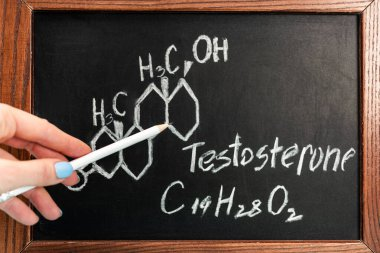
What Drives Lower Testosterone?
1. Body fat. Rising obesity is likely the single largest contributor. Extra visceral fat converts testosterone into estrogen and disrupts the hormonal signals that regulate production. The result is lower levels across populations.
2. Sleep. Testosterone peaks in the morning, but short or disrupted sleep reduces it quickly. Men sleeping only five hours per night can see drops of 10 to 15% within a week.
3. Alcohol and drugs. Heavy alcohol use directly suppresses testosterone production. The increased use of opioids and some antidepressants, both associated with lower testosterone, may also contribute to declining averages over time.
4. Chemicals. Plastics, PFAS, and other industrial chemicals can interfere with hormone systems. Evidence in humans is mixed, but exposure has increased dramatically since the 1970s.
5. Smoking and nicotine. A paradox appears in the data: smokers often show slightly higher testosterone levels than non-smokers. Earlier generations smoked far more, which may partly explain higher historical averages. Nicotine appears to stimulate parts of the hormone system, but the health costs are severe. Smoking damages sperm quality, blood vessels, lungs, and the heart. It helps explain the data, but it is not a solution.
What Actually Helps
- Lose excess fat. Body composition has the largest impact on testosterone
- Lift weights and stay physically active. Muscle supports hormonal health
- Eat real food. Protein, micronutrients, and stable energy intake matter more than supplements
- Sleep long enough and get morning light to reset daily hormone rhythms
- Keep alcohol intake moderate. Heavy drinking lowers testosterone quickly
- Reduce avoidable chemical exposure. Use glass or steel and avoid heating food in plastic
The basics work when applied consistently. For a broader framework that combines sleep, food, movement, and simple systems, see our science-based habits to live longer.
Testing the Right Way
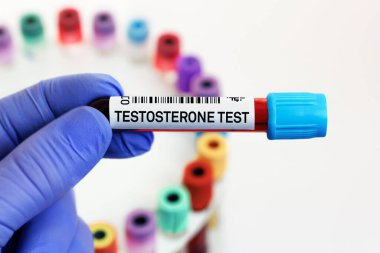
Lifestyle changes should come first. If levels remain low and symptoms persist, the next step is medical evaluation. Testosterone replacement therapy (TRT) can restore energy, strength, and mood, but it must be done under medical supervision. It suppresses natural production, making it a long-term commitment rather than a quick fix.
Explore more related deep dives on health, freedom, and science:
Build the system right, and hormones take care of themselves.