



Wellness advice spreads faster than ever. How much is truly worth following?
The wellness economy was recently valued at $6.3 trillion (2023 data) and is projected to reach $9 trillion by 2028, making it one of the fastest-growing cultural forces. People track sleep with apps, quit carbs after a TikTok, jump into ice baths, or buy red light masks promoted by influencers. In 2025, podcasts alone reach about 584 million listeners worldwide, with health capturing nearly 20% of the market. The challenge is separating lasting benefit from clever marketing.
- Drivers: nutrition, wearables, mental health services, and digital care
- Culture: wellness as lifestyle identity; creators translating “science” to mass audiences
- Risks: commercialization, diet culture, data privacy, rising loneliness
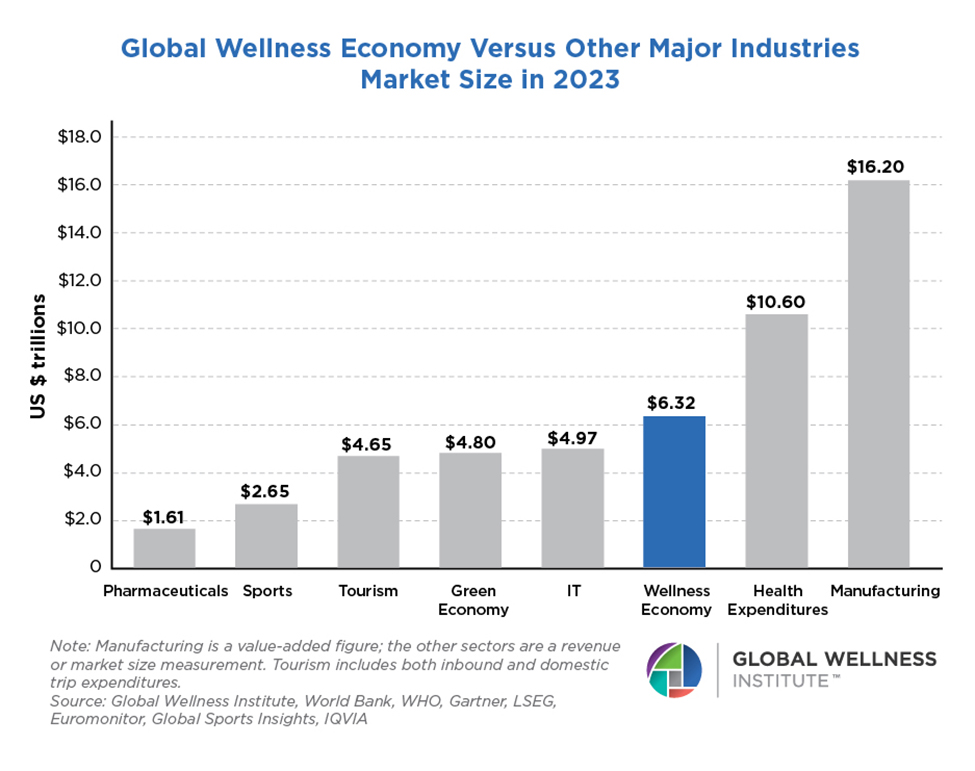
The wellness economy reached $6.3 trillion in 2023, larger than tourism, IT, or pharma. Source: Global Wellness Institute
From Food to Function
Functional nutrition treats food as more than fuel. Berries are promoted for antioxidants, fermented foods for gut health, and spices like turmeric for inflammation support. At the same time, trends such as kale smoothies, apple cider vinegar shots, and detox powders are branded as “superfoods,” yet the term remains a marketing label without scientific regulation. What consistently delivers results is not exotic ingredients, but balanced dietary patterns built around whole foods.
Tracking Every Metric
More than a billion wearables are now in use worldwide, tracking sleep, heart rate, glucose, and recovery. Devices such as the Apple Watch or the Oura Ring promise measurable control. Yet constant metrics can create pressure. Some users report anxiety when daily targets are missed, and therapists note a rise in performance-based stress tied to health tracking. Data protection adds another layer of concern. A 2025 review found weak transparency and inconsistent breach policies across several major brands. Technology can support health, but sustainable progress usually comes from steady habits rather than daily scoreboards.
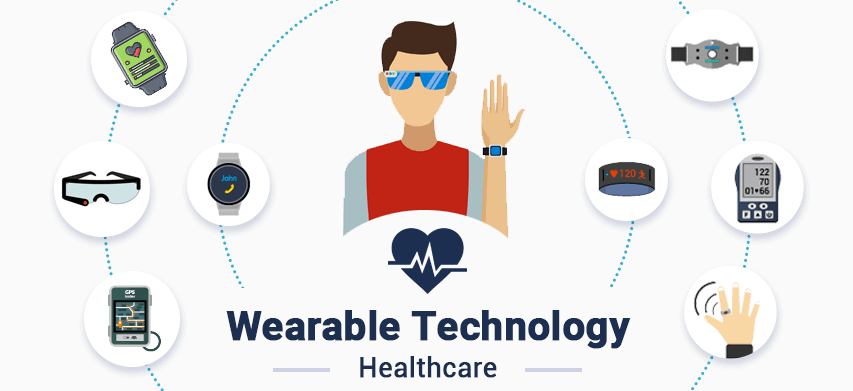
Wearables now track sleep, weight, glucose, heart rate, and more. Source: Mobisoft Infotech
Mental Health Moves Center Stage
During the first year of COVID, the World Health Organization reported a 25% global rise in anxiety and depression. That surge pushed mental health into the mainstream. Telehealth visits expanded rapidly and have remained embedded in healthcare systems. At the same time, digital therapy apps multiplied, giving millions new access to support.
“Loneliness, suffering, and financial worries have all been cited as stressors leading to anxiety and depression.” — World Health Organization
Yet access and quality remain uneven. Rural and lower-income communities still face barriers, and loneliness persists despite the self-care boom. If modern life feels empty even with constant optimization, you may relate to our reflection on finding real happiness.
Wellness in the Age of Influencers
Podcasts and social platforms have become primary channels for health education. The Huberman Lab show is one prominent example. With millions of subscribers, it promotes science-based routines such as early daylight exposure to regulate circadian rhythm and improve sleep. For many listeners, these recommendations move directly from podcast to practice.
Warning: Many health creators recycle second-hand claims or oversimplify studies, presenting partial findings as settled science. In an attention-driven environment, engagement often outweighs nuance, leaving audiences responsible for separating solid evidence from clutter.

Andrew Huberman, host of the Huberman Lab podcast.
When Wellness Isn’t Well
Rapid growth has also brought problems. Ordinary practices are repackaged and sold at premium prices. Diet culture reappears under “clean” or “optimized” labels. Digital tools multiply faster than the evidence supporting them. The result can be self-optimization fatigue: a constant sense of falling short rather than improving.
In the end, durable health depends less on expensive interventions and more on fundamentals: whole foods, movement, sleep, social connection, and realistic expectations. Wellness becomes valuable when it simplifies life, not when it complicates it.
Continue exploring what drives our choices, habits, and the search for a healthier balance:
- How Hyper-Individualism Made Us Forget Each Other
- The Island Where Age 100 Is Normal
- Online Gambling Pandemic
Build a practical routine you can live with. Fit & Free shows how to make it stick.