



Online gambling has slipped into everyday life. A weekend in Vegas now fits inside a phone. People spin roulette wheels while waiting for coffee, bet on football games in real time, or buy meme tokens with a single tap. This constant access helped Americans wager about $148 billion on sports in 2024, up roughly 24% from the year before. It began as entertainment but is now spreading addiction faster than any casino ever could.
Gambling Has Escaped the Casino
Smartphones, social media, and crypto have turned almost everything into a bet. Loot boxes in popular games trigger the same random thrill as slot machines, and many platforms let players trade in-game items for real money.
In October 2025, a major update to Counter-Strike 2 caused its $5.9 billion skins market to crash overnight, wiping out millions in player-held value.
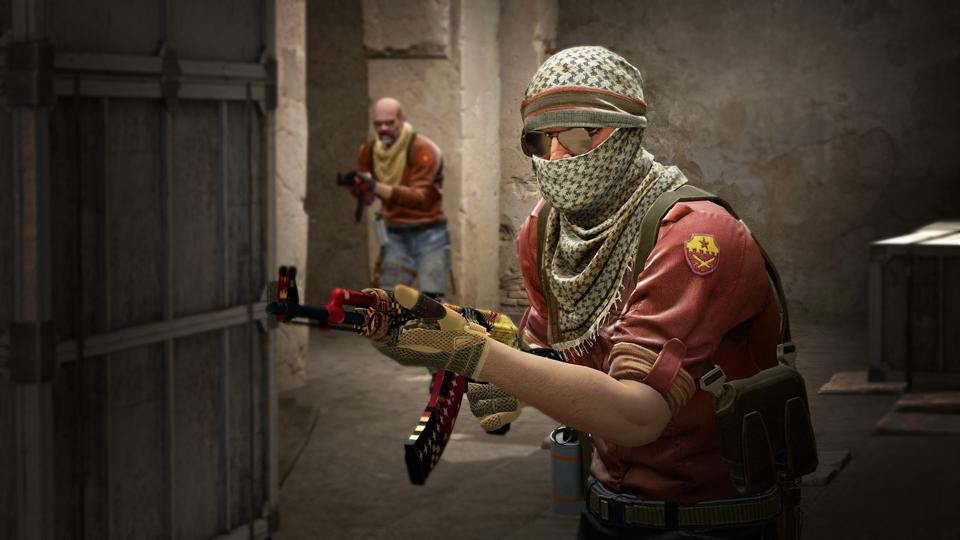
Image: Valve
The same logic now drives digital assets. Platforms like Pump Fun let anyone create a meme token in seconds and collect a fee on every trade. Since launching in early 2024, the site has earned over $800 million in revenue. Only 0.4% of users made more than $10,000, while most lost nearly everything within a day as tokens were dumped right after launch. The degenerative behavior also appears in leveraged crypto trading. Our report on the historical $19 billion liquidation event last month showed how far crypto has drifted from its original purpose.
“Long live the believers, long live the trenches, and long live pump fun.” — Alon, co-founder of Pump Fun
Even mainstream finance is adopting casino mechanics. In August 2025, Robinhood introduced a sports-betting and prediction-market feature, calling it “a no-brainer.” The next day, FanDuel launched a service that lets users bet on stock indices. The message was clear: investing and gambling are starting to look the same.
Prediction Markets and Micro-Bets
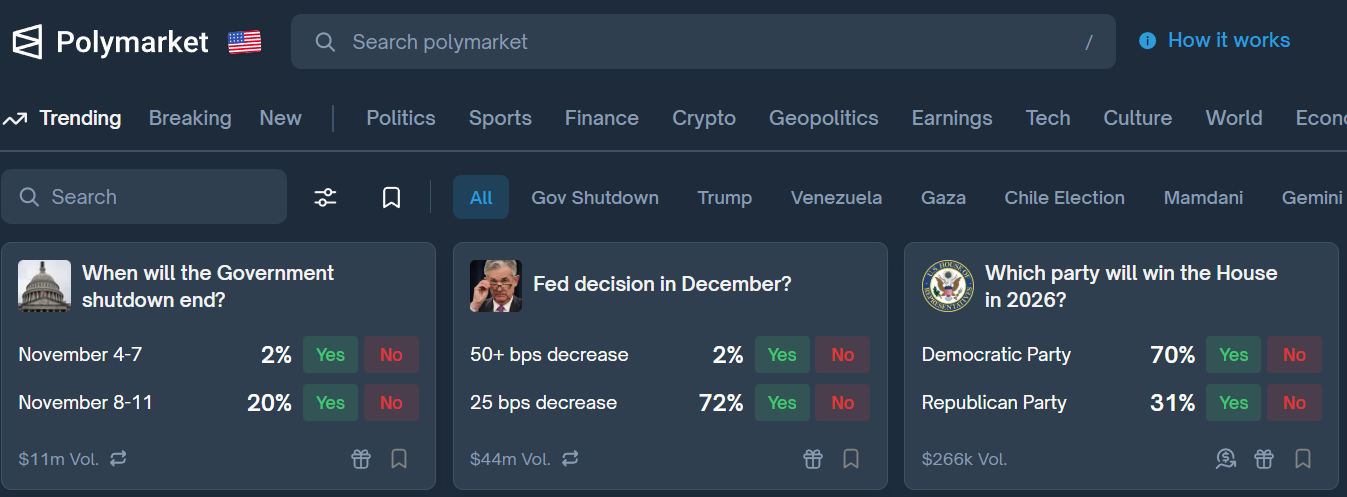
That overlap is most visible in prediction markets. Platforms like Polymarket let users bet on political events, economic data, and even celebrity appearances. The company was valued at about $9 billion after a $2 billion investment from Intercontinental Exchange (ICE). Rival platform Kalshi has taken a different path. Regulated by the Commodity Futures Trading Commission (CFTC), it lets anyone 18 or older trade “yes-or-no” event contracts nationwide, even in states where sports betting is banned. Online gambling is being absorbed into mainstream finance.
These platforms are built for constant engagement. Kalshi promotes itself as the first nationwide legal sports-betting exchange open to 18-year-olds, while newer startups copy TikTok’s format with swipeable feeds of rapid-fire wagers. The goal is to make betting feel casual. Endless. This mix of speed, simplicity, and social appeal can draw teenagers into addictive patterns long before they understand the risks.
In late October this year, high-profile arrests showed how deep the problem runs. The FBI charged more than thirty people, including NBA stars, for their role in overlapping illegal betting and match-fixing schemes. Similar scandals have hit football, tennis, esports, and even combat sports. Once gambling money enters, no sport is immune.
How Widespread Is It?
Legalization and nonstop marketing have driven explosive growth. A January 2025 Siena College survey found that 22% of Americans, and nearly half of men aged 18-49, had an active online sports-betting account. Most users say it’s exciting and social, but the data tell another story: over half admitted chasing losses, one in five said they lost money they couldn’t afford, and more than a third felt ashamed after losing.
Financial data show the hidden costs. A 2025 UCLA study found that after states legalized mobile sports betting, more people fell behind on bills and bankruptcies increased. Frequent bettors spent over $1,000 a year on wagers while saving and investing less. On average, gambling households saw savings drop about 14%, and debt grow faster than others.
An Industry Built on Attention and Fees
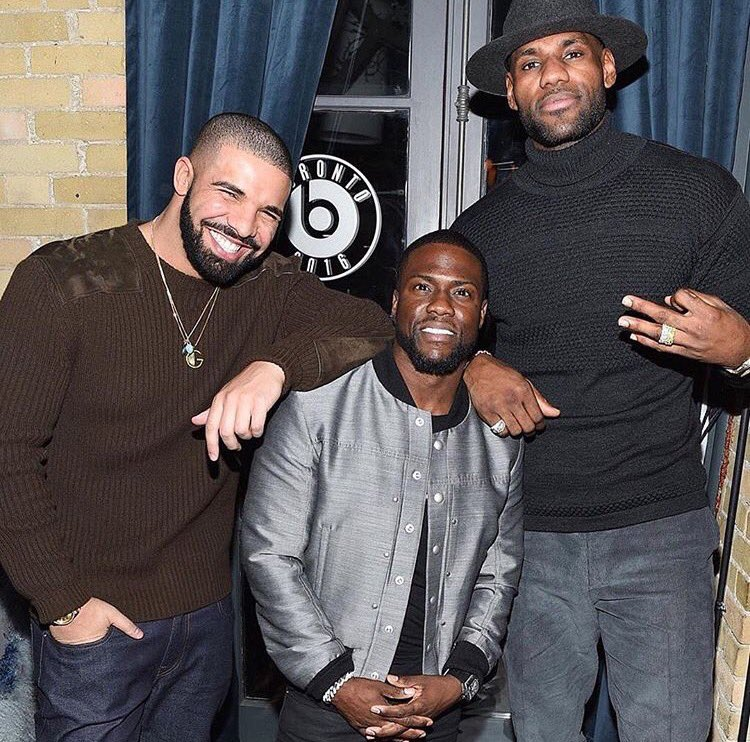
Photo: Getty Images
The gambling boom now runs on fame and influence. Meme coin platforms pay creators to launch their own tokens and earn a cut from every trade, turning fan communities into revenue streams. Sportsbooks spend hundreds of millions on celebrity partnerships. Kevin Hart, LeBron James, and Drake have all promoted betting apps while also speaking publicly about financial discipline.
Streamers with loyal audiences now sign multimillion-dollar contracts to broadcast casino content. The payouts dwarf what they earned from regular streams, and with that kind of money, their followers become the customers they sell to.
“Gambling has brought our family together. We had to move to a smaller house.” — Tommy Cooper
Where Do We Go from Here?
For many, the cost of gambling goes far beyond money. People lose homes, drain savings, and fall into debt they can’t escape. Some take their own lives after betting everything on one last chance. Even those who win can find their accounts frozen or their funds withheld by rogue platforms. The industry calls it entertainment, but it profits most when users lose control. Until laws catch up, awareness is the only defense. Know when a game stops being a game, and remember: every bet feeds a system designed to keep you playing, no matter the cost.
Continue exploring what drives our choices, habits, and the search for a healthier balance:
- How Hyper-Individualism Made Us Forget Each Other
- Finding Real Happiness
- The $9 Trillion Wellness Economy
Break free from the habits that own you.